BYD
A mainstream Chinese auto group transformed by new energy. It combines complete vehicle manufacturing, batteries, electric drives, power semiconductors and global export channels.
A field guide to the Chinese automakers shaping the next decade — from century-old state giants to startups born in the EV era.
State giants and decades-old private conglomerates. Multi-brand portfolios, deep manufacturing, global export footprints.

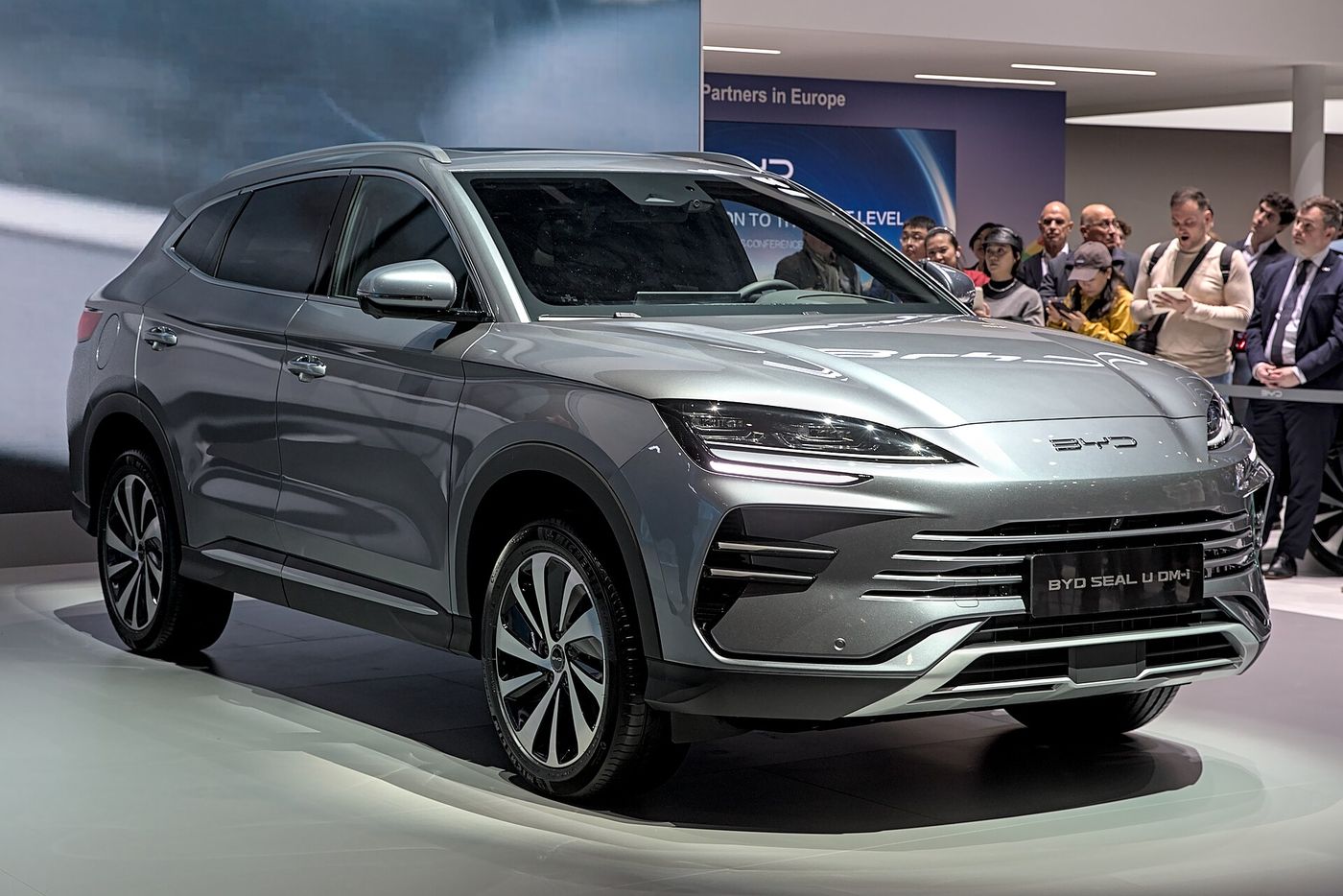
A mainstream Chinese auto group transformed by new energy. It combines complete vehicle manufacturing, batteries, electric drives, power semiconductors and global export channels.

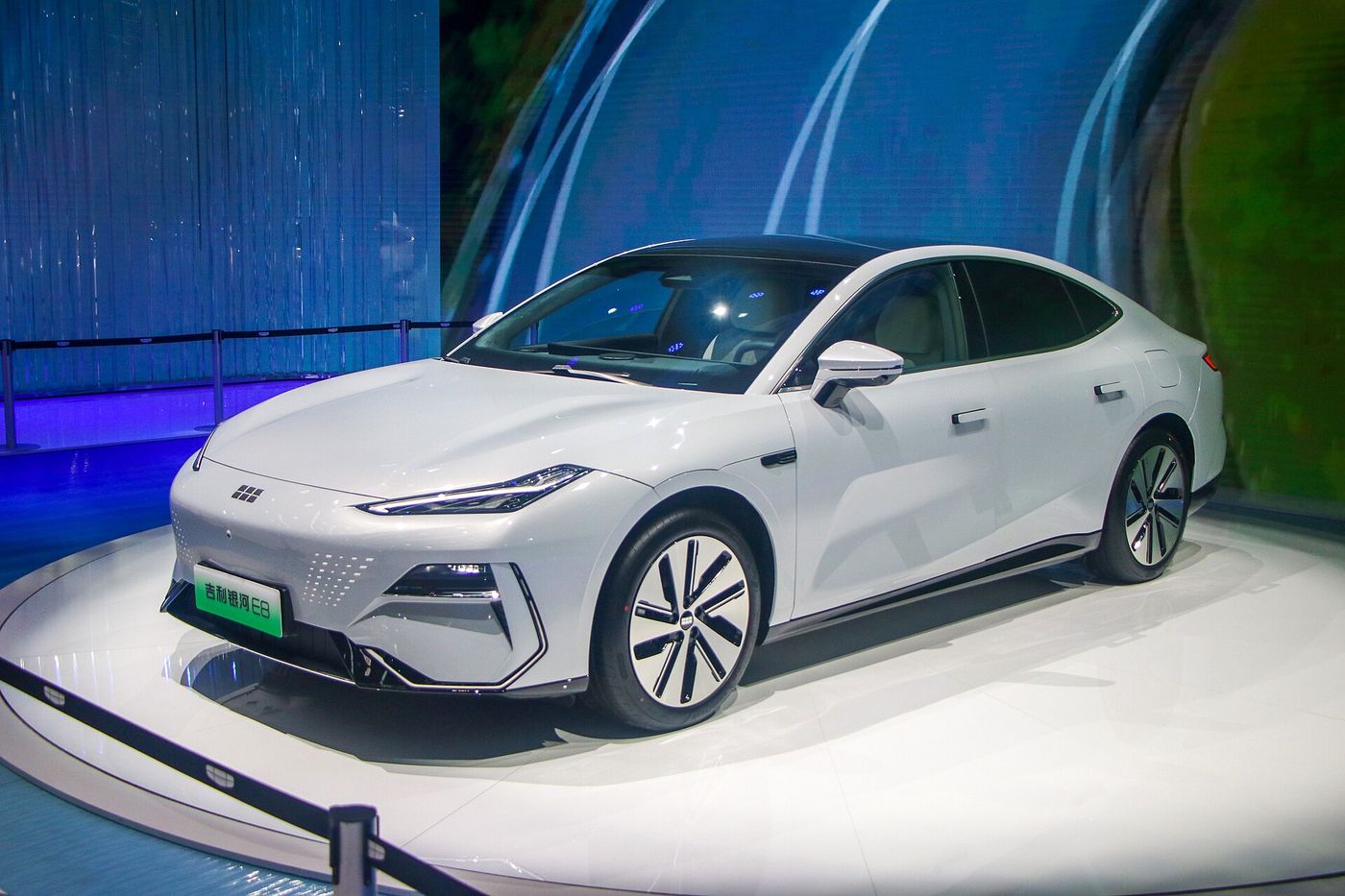
A diversified private auto group spanning Geely, Galaxy, Lynk & Co, Zeekr, Volvo, Polestar and Lotus. Its global portfolio mixes Chinese platforms with European premium brands.

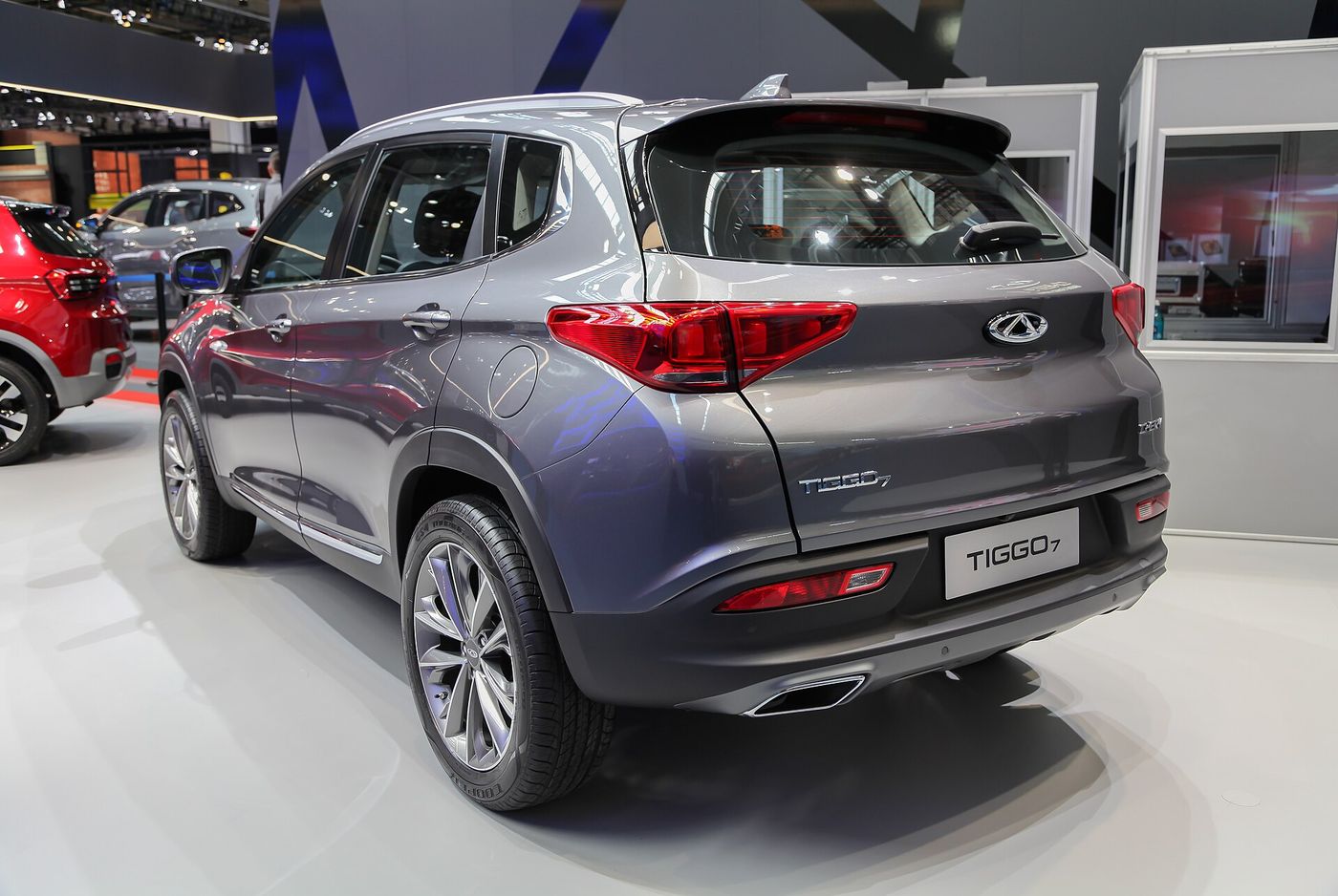
Export-led Chinese auto group with deep reach in Russia, the Middle East and Latin America. Its multi-brand system covers Chery, Exeed, Jetour, Omoda, Jaecoo and iCar.

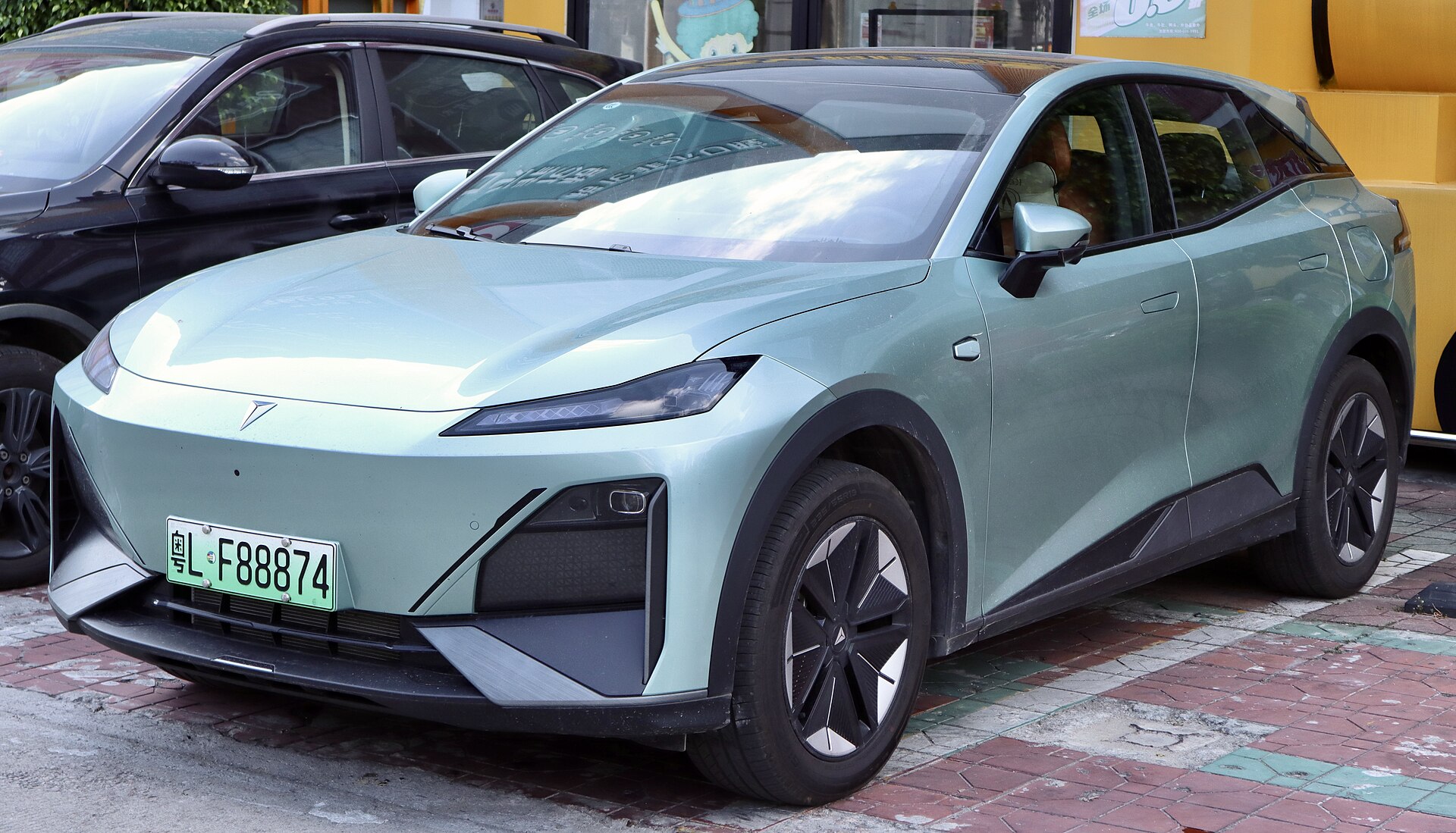
Major state-owned auto group with Changan, Deepal, Avatr and Nevo/Qiyuan. Its transition is built around NEV platforms, smart EVs and selective overseas expansion.

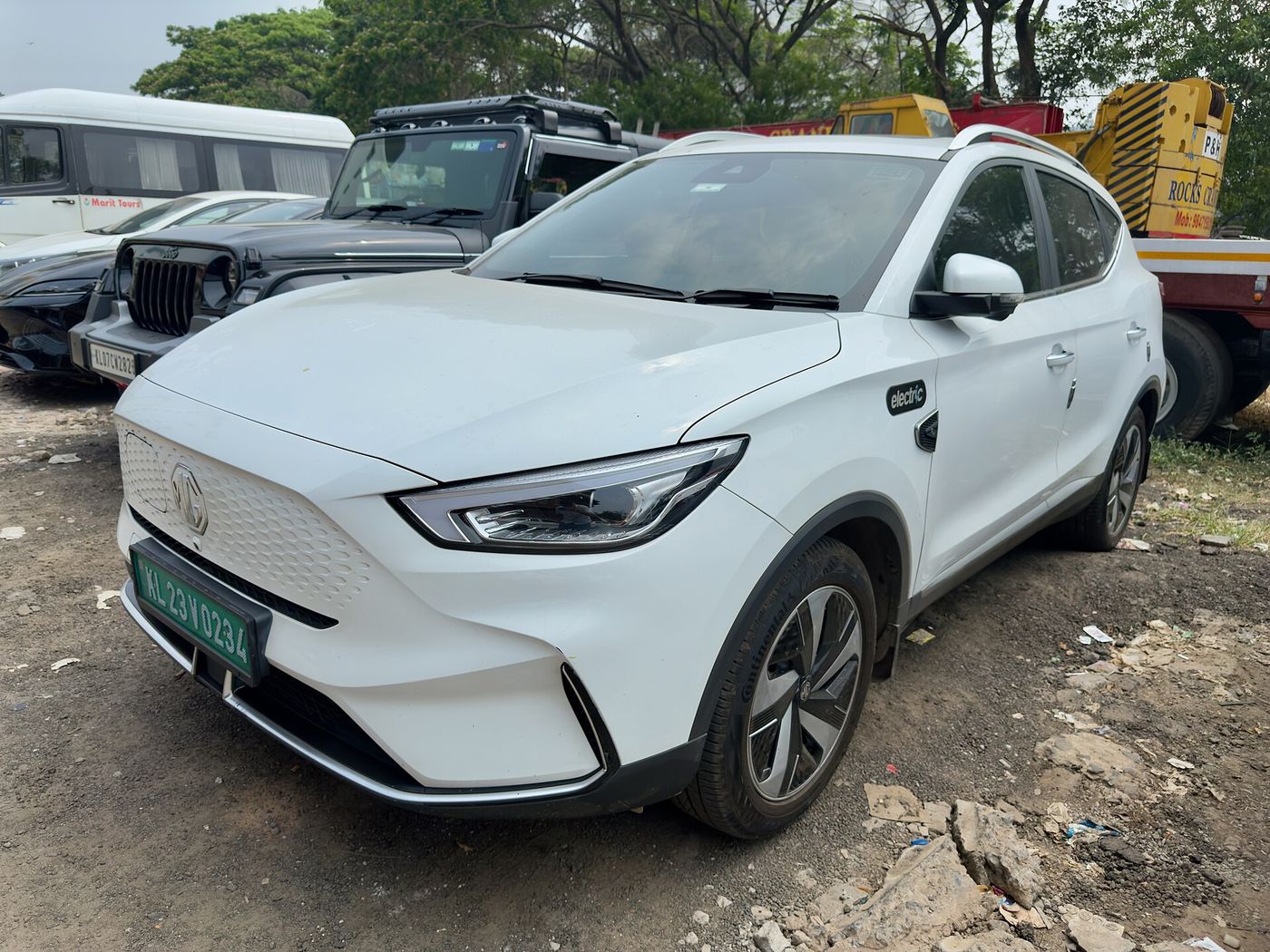
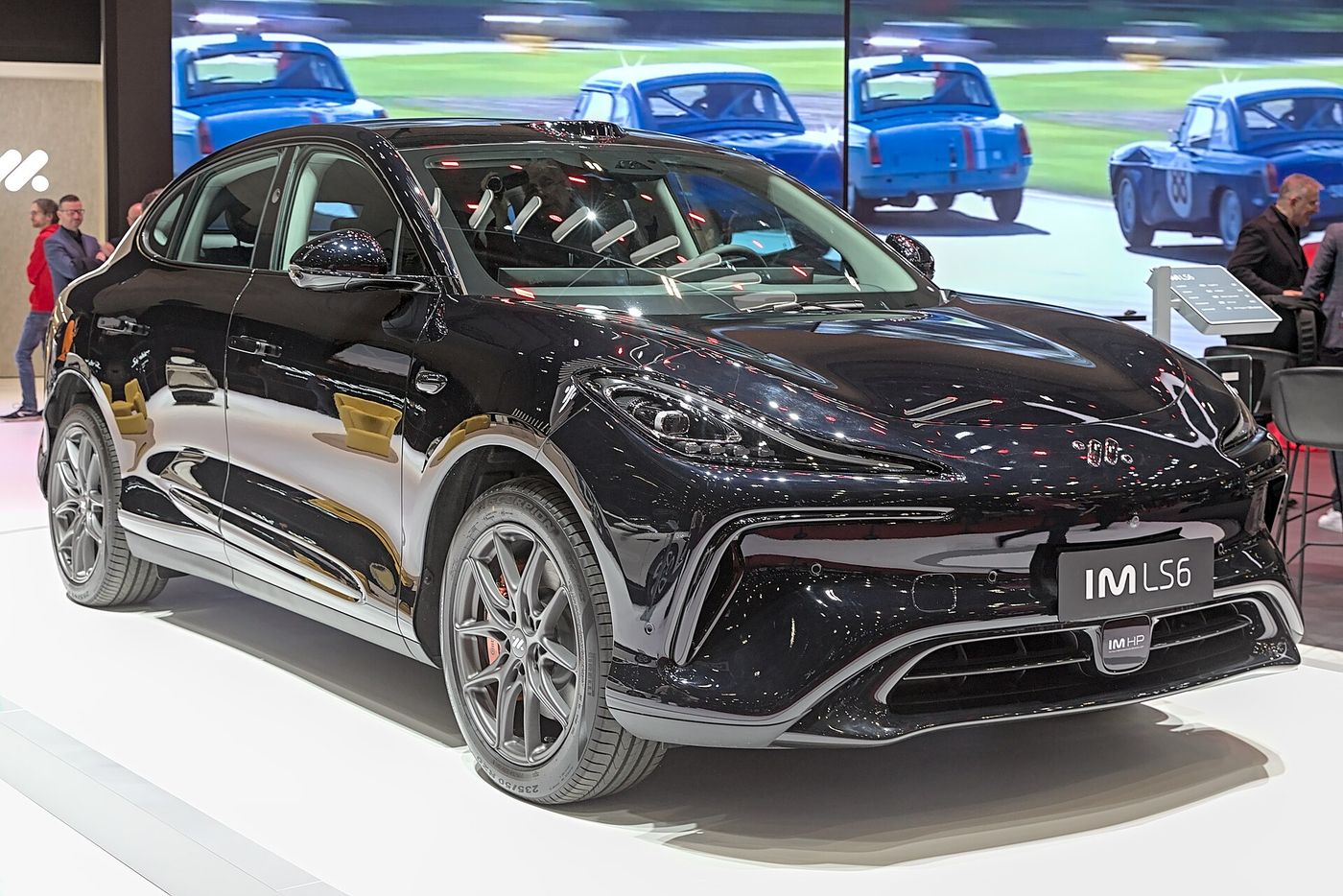
Shanghai state-owned auto group with Roewe, MG, IM Motors, Rising/Feifan and Maxus, plus major joint-venture systems. MG remains its strongest global volume badge.

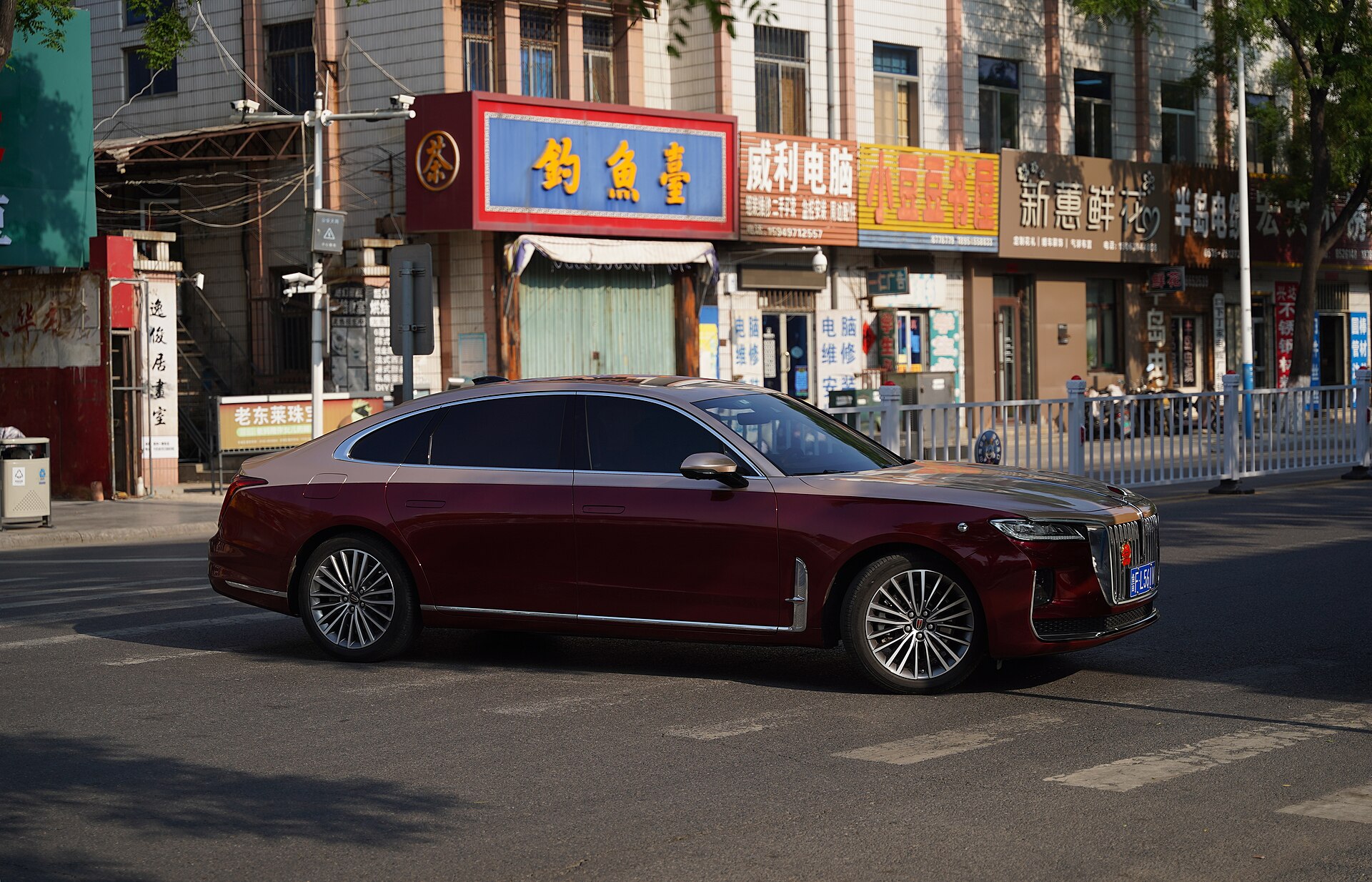
China's original state auto group. Its main systems include Hongqi, Bestune and Jiefang, plus FAW-Volkswagen and FAW-Toyota joint ventures.

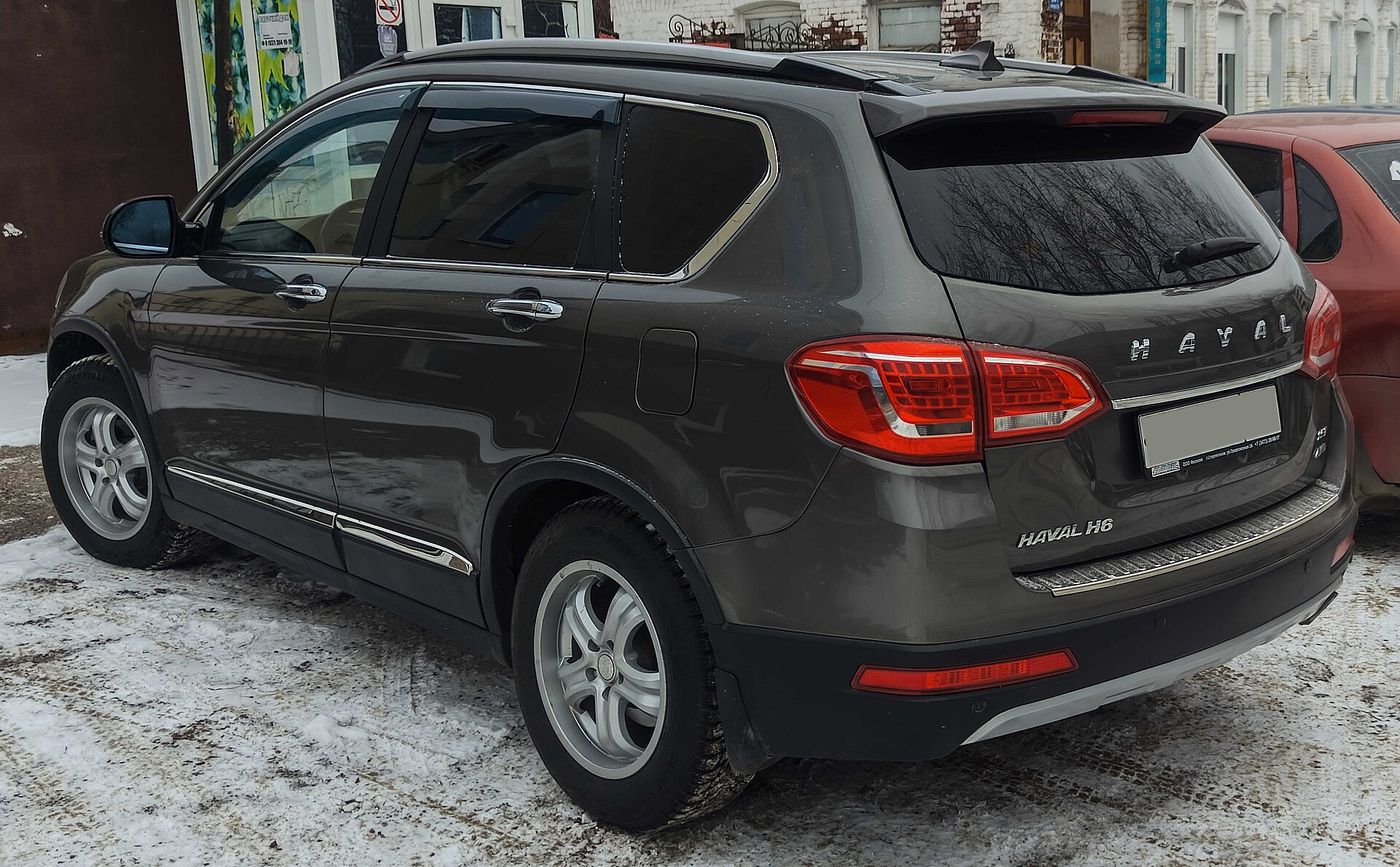
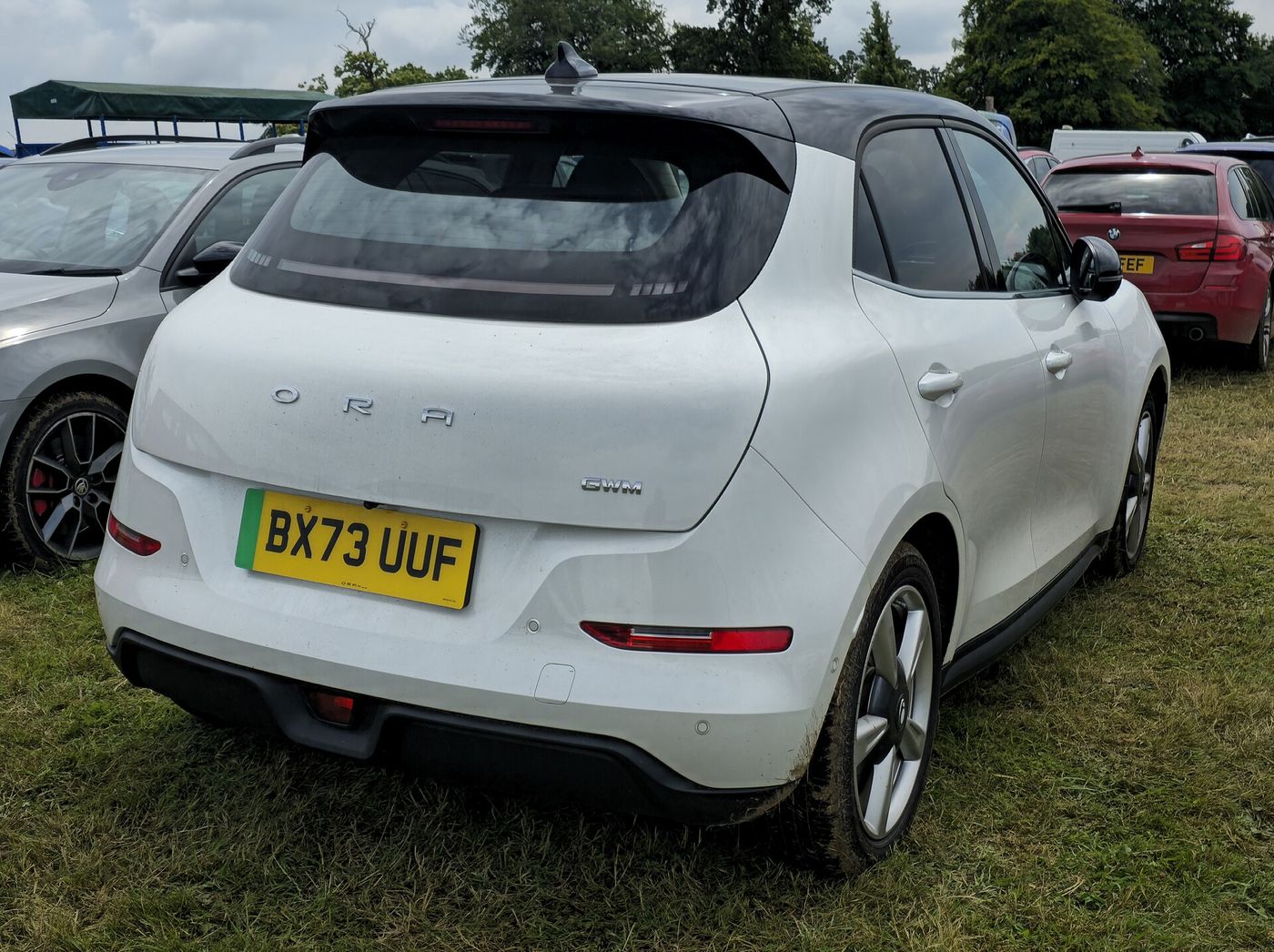
Pickup, SUV and off-road specialist. Brands include Haval, Wey, Tank, Ora and Great Wall pickups. Australia, Thailand and Brazil are key overseas bases.

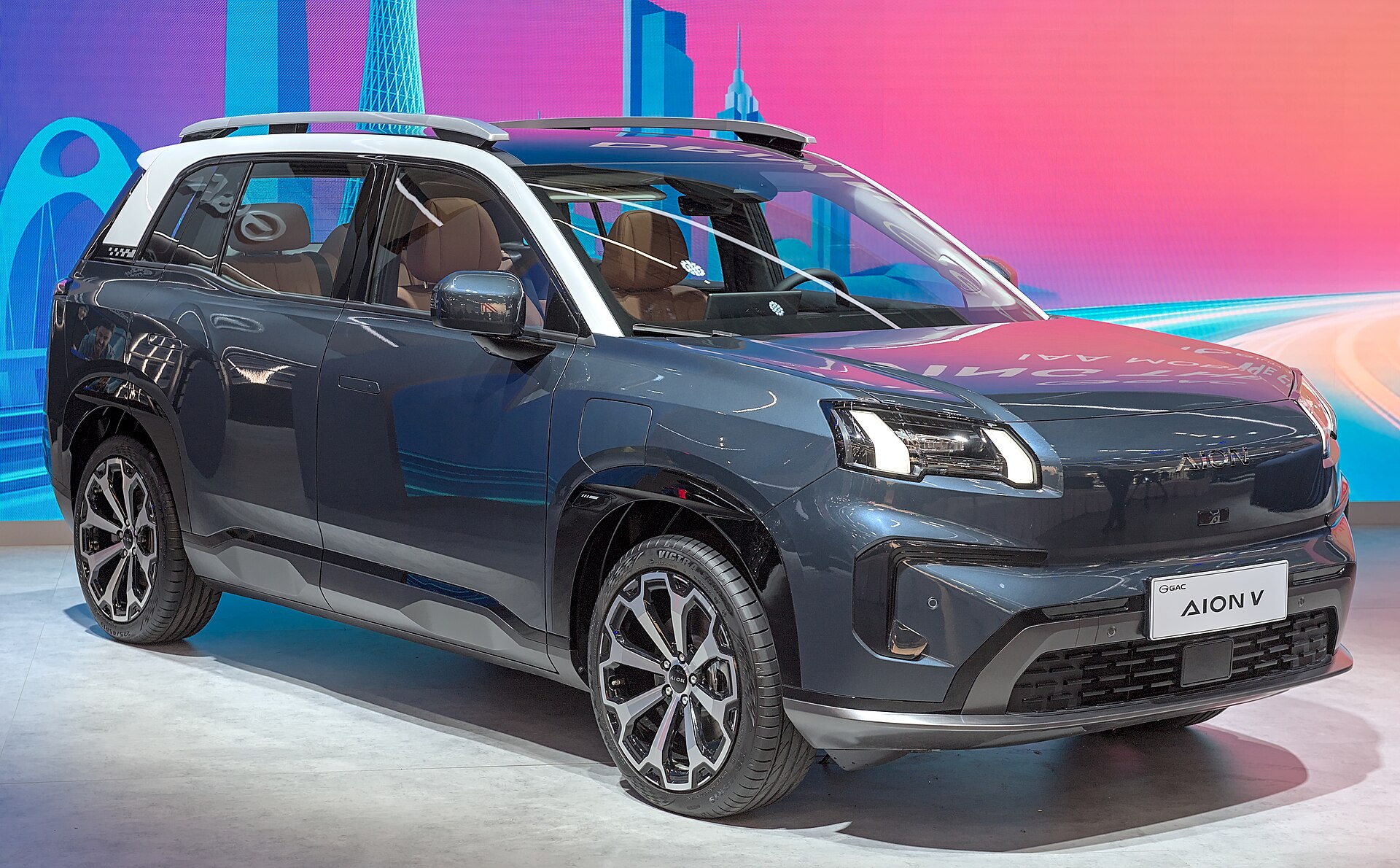
Guangzhou-based state auto group with Trumpchi, Aion and Hyptec. Its NEV strategy is centered on Aion volume and Hyptec premium positioning.

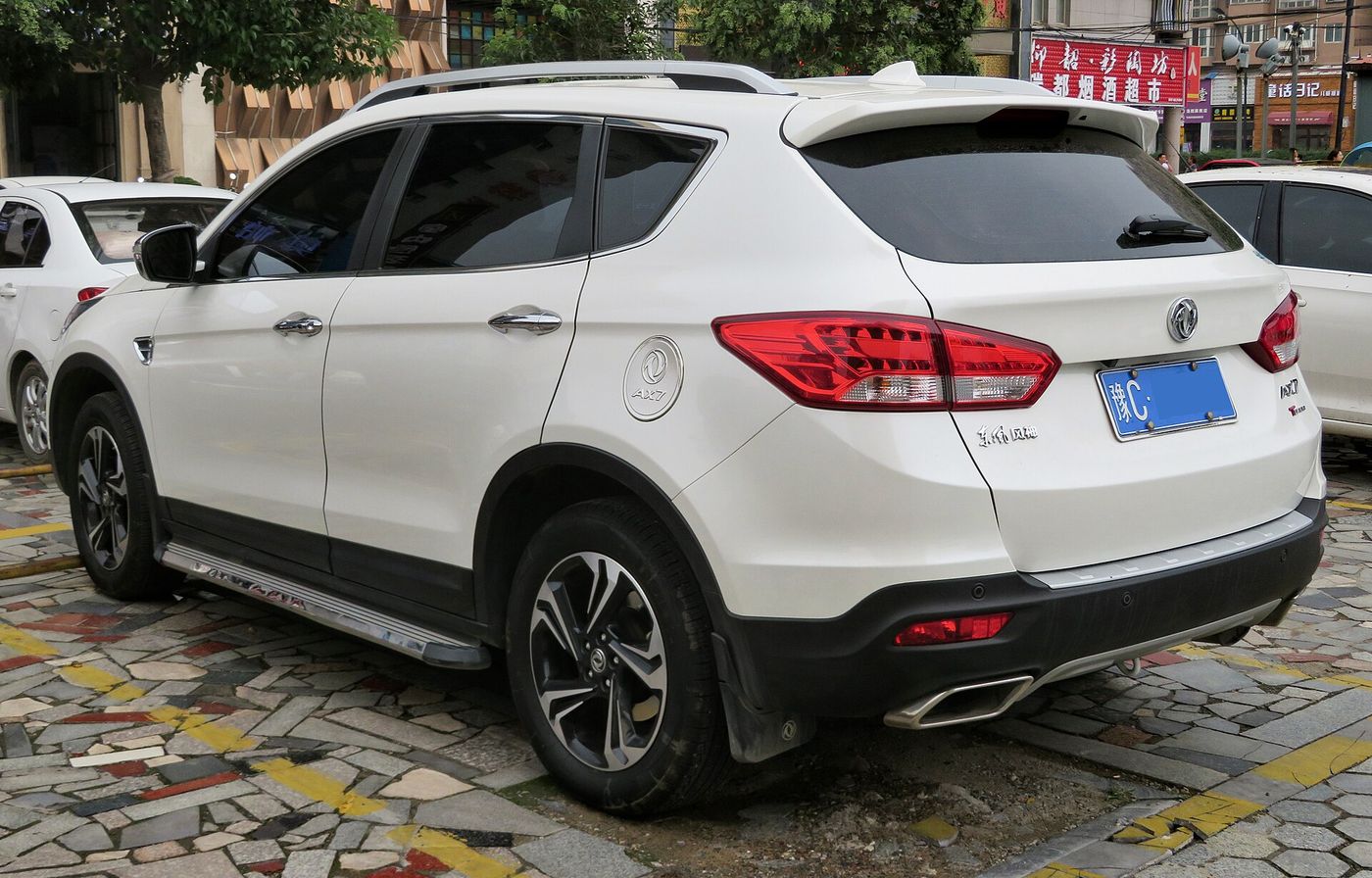
State auto group with Dongfeng, Voyah, M-Hero, Forthing, eπ, Nammi and Aeolus, plus Dongfeng Nissan and Dongfeng Honda joint ventures.

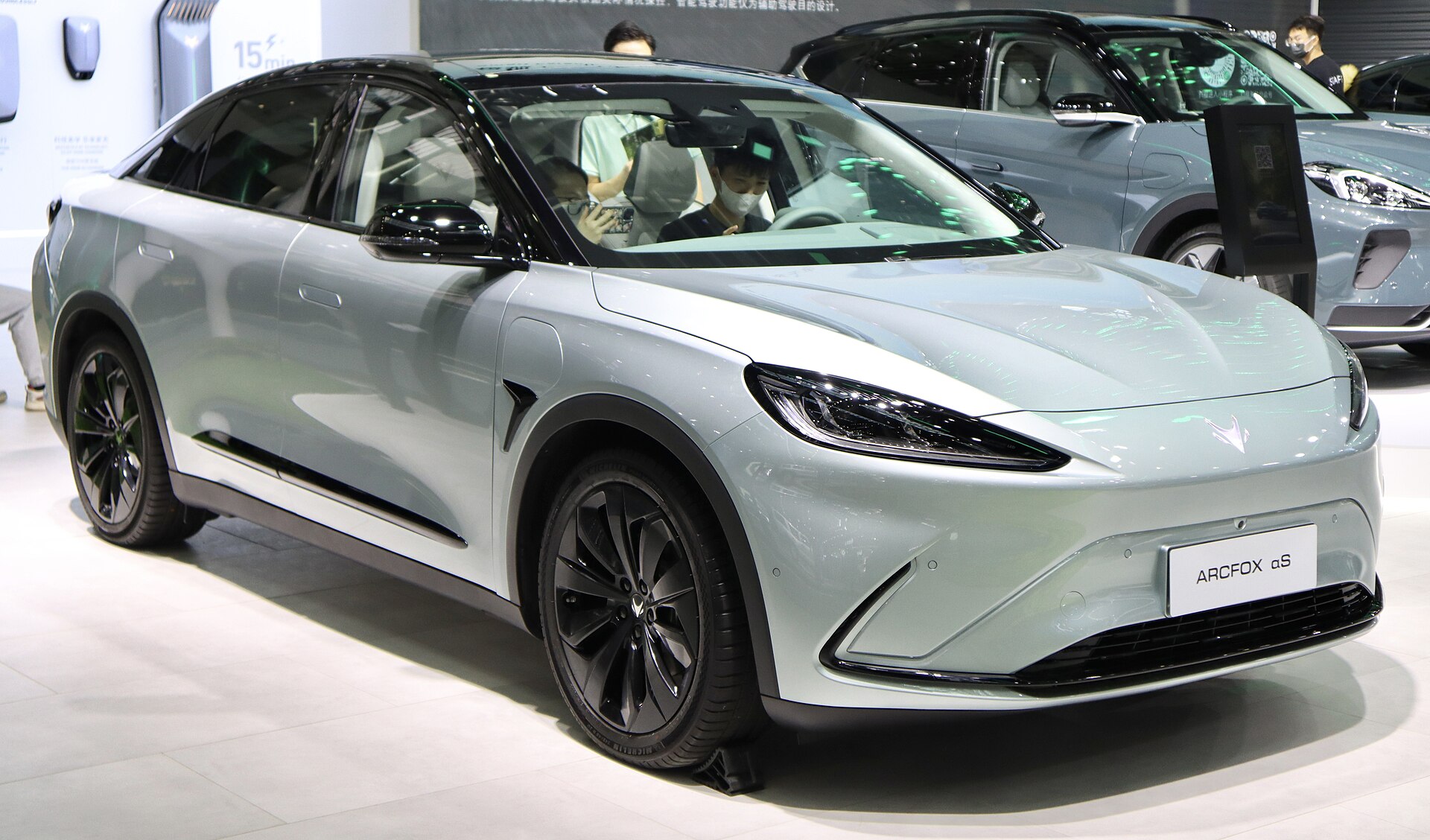
Beijing state-owned auto group with Beijing Auto, Arcfox, Beijing Benz and Beijing Hyundai. Its overseas relevance is split between commercial vehicles, EVs and joint-venture capacity.
Born after 2014. Pure-play EV companies redefining design, software and ownership experience.

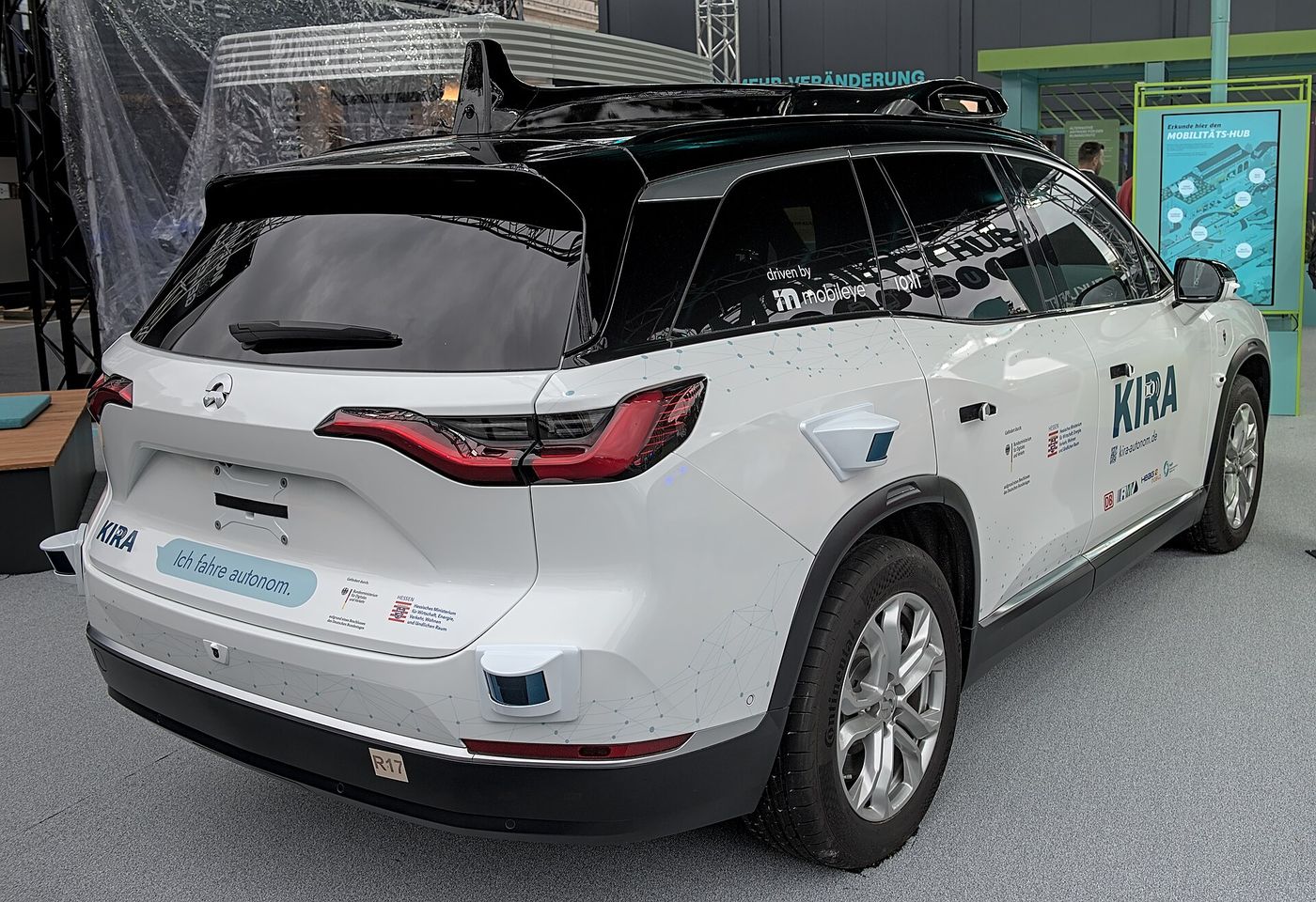
Premium EV with battery-swap network. Europe push via Norway, Germany, Netherlands. Sub-brands Onvo and Firefly target lower segments.

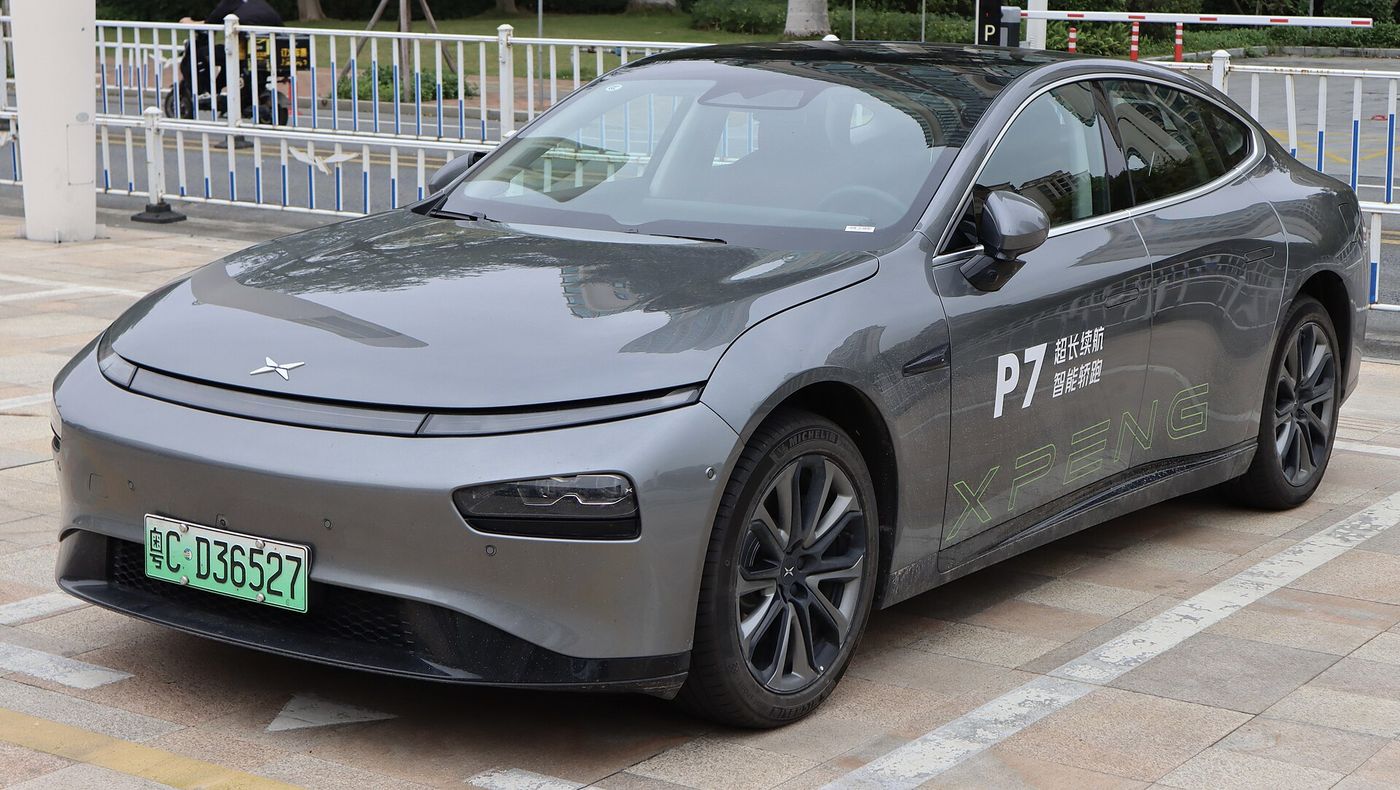
Tech-first EV brand with the most advanced city-level autonomous driving in China. Mona and P7+ pushed scale in 2025.

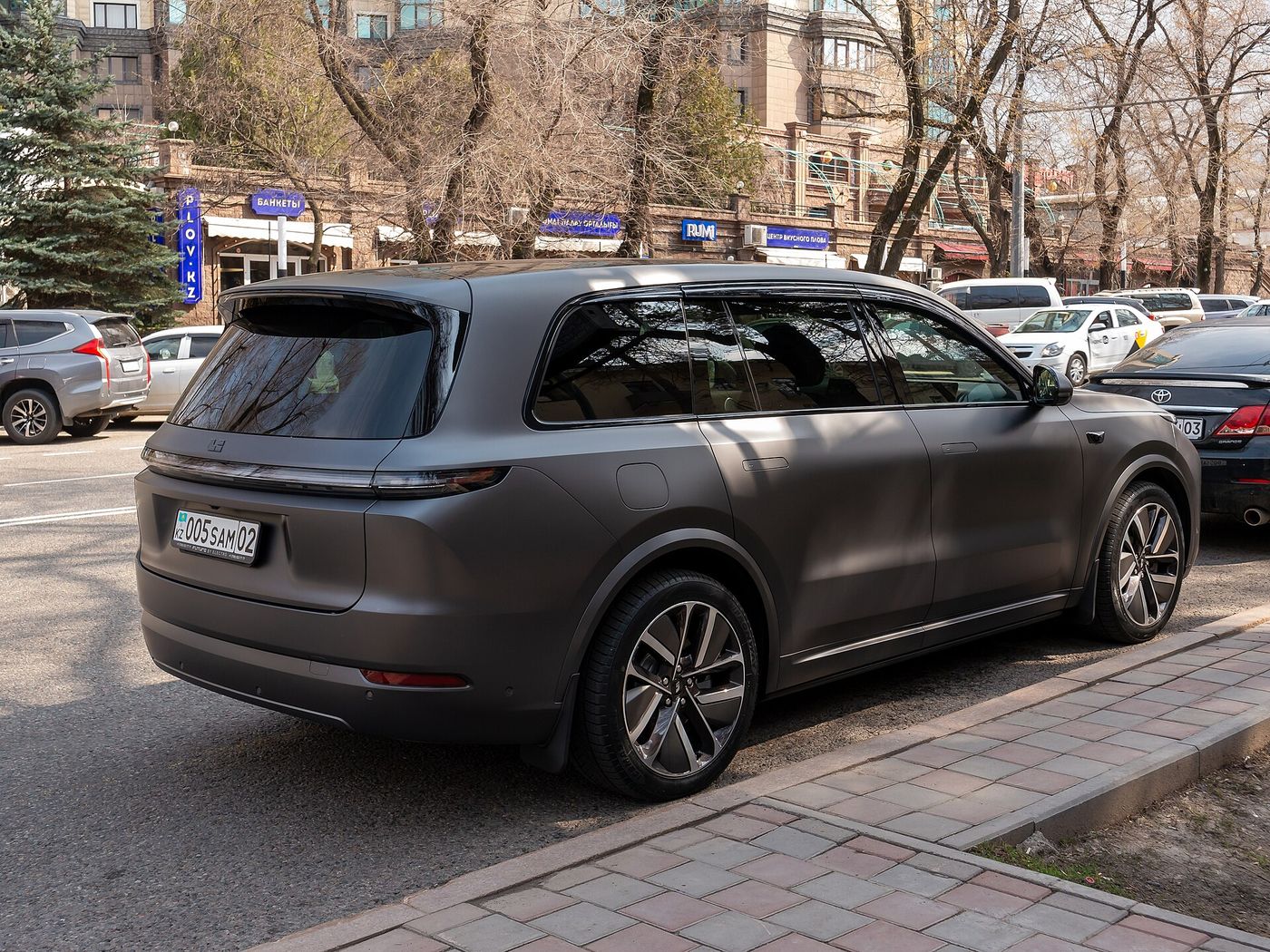
Family SUV specialist. EREV pioneer with the L-series; MEGA and i-series push pure EV. China's most profitable new-energy startup.

Vertically-integrated value EV maker. 51% owned by Stellantis since 2023 — the only Chinese new-energy startup with a Western OEM partner driving global rollout.

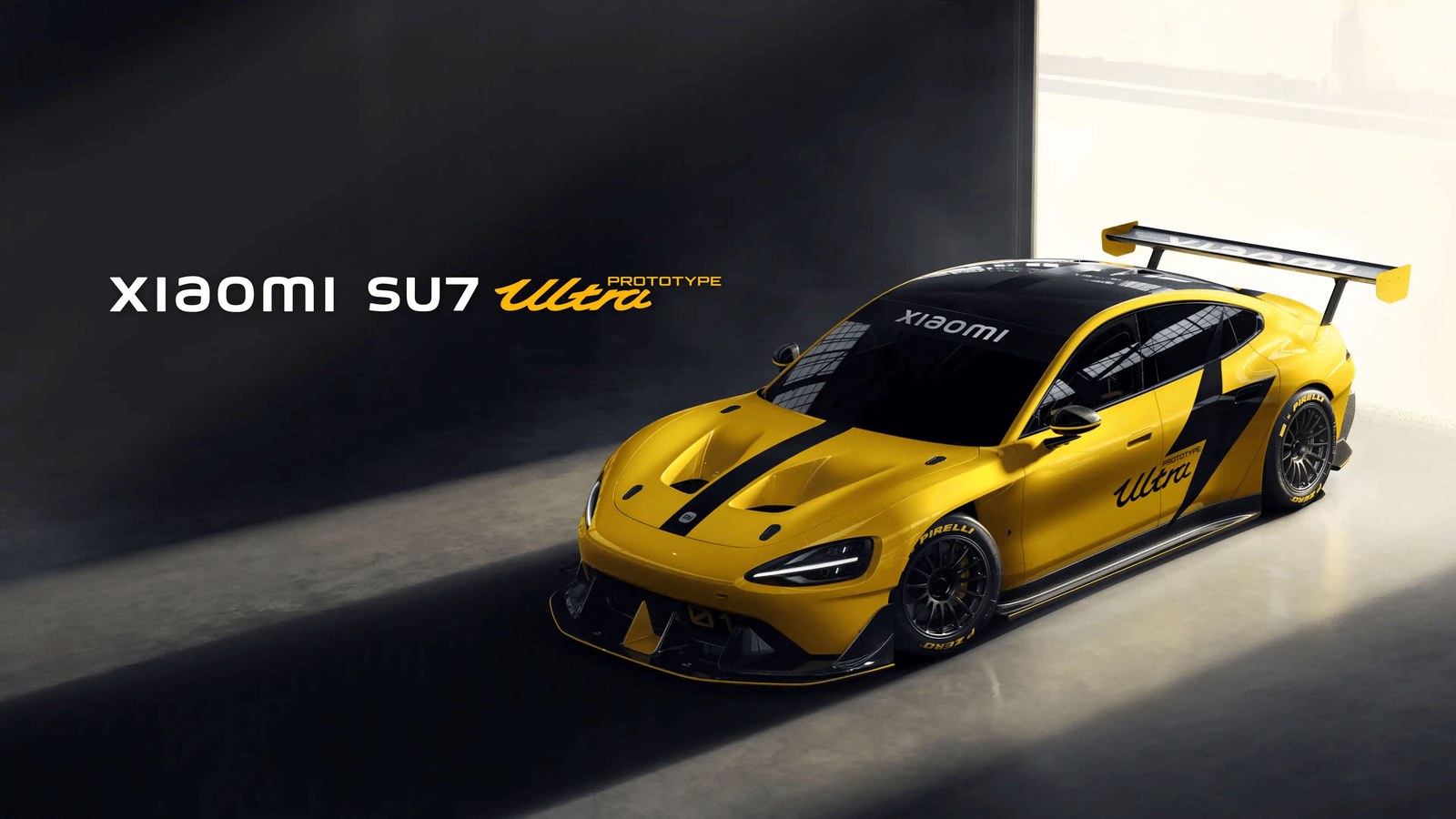
Phone-maker turned car-maker. SU7 sedan and YU7 SUV ignited global attention with Porsche-rivalling performance at half the price.
Independent marques operating under legacy groups. Built to chase specific segments, often with separate teams and brand identities.

Geely's premium EV arm. Performance-focused with the 001 shooting brake, 7X SUV and 009 luxury van. Listed on NYSE 2024.

Co-developed with Volvo on the CMA platform. Subscription model in Europe; the 09 SUV and 03 sedan defined the brand's sharp, urban design language.

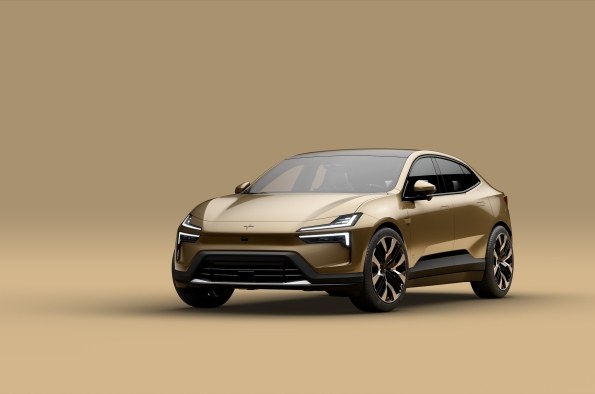
Volvo's former tuning house turned standalone Swedish EV brand under Geely. Polestar 2 took on the Model 3; Polestar 4 introduced the rear-screen-instead-of-window cabin.

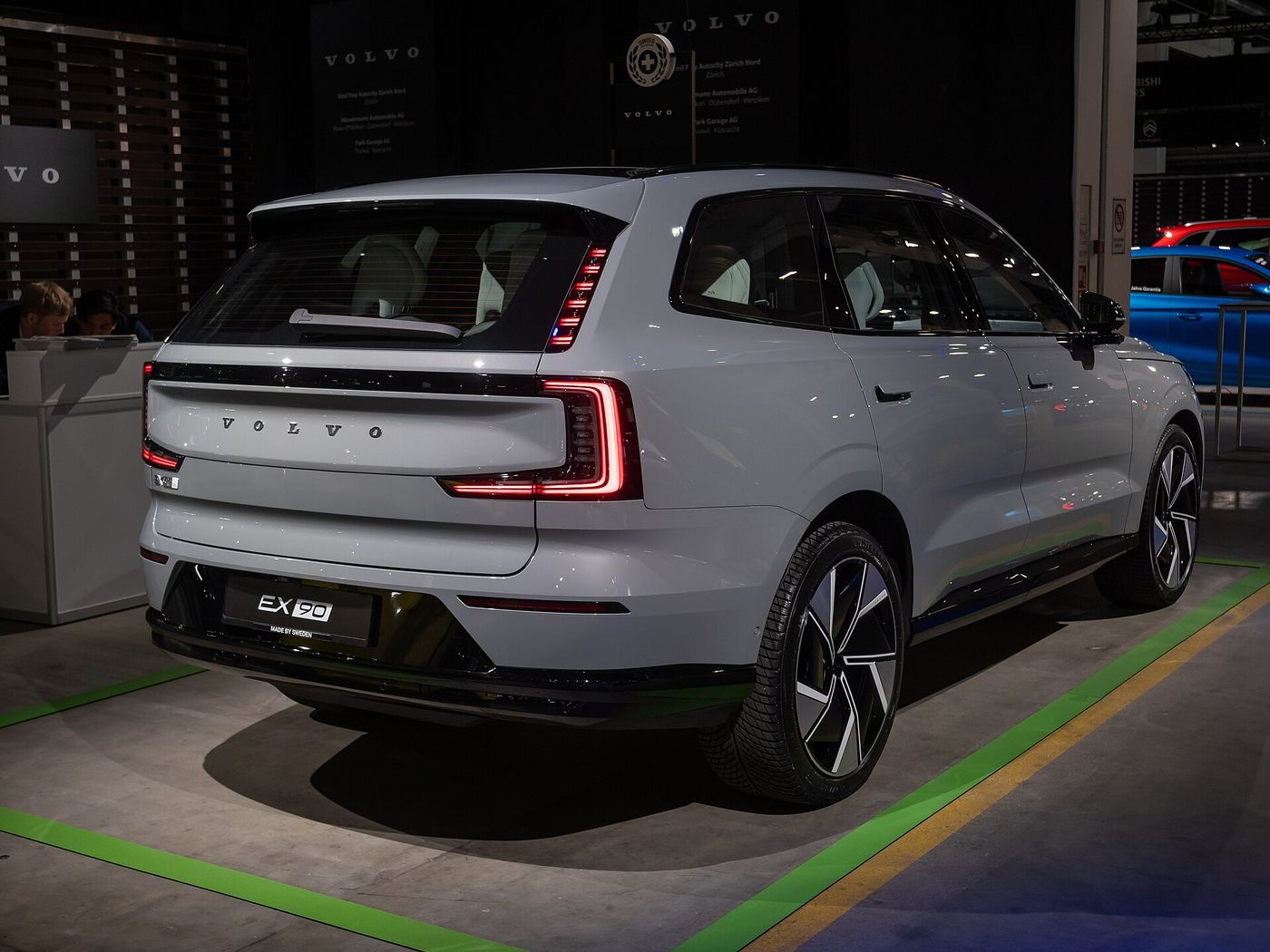
Swedish heritage brand owned by Geely since 2010. Pivoting fully electric with the EX90 flagship and the EX30 compact — built in China for global markets.

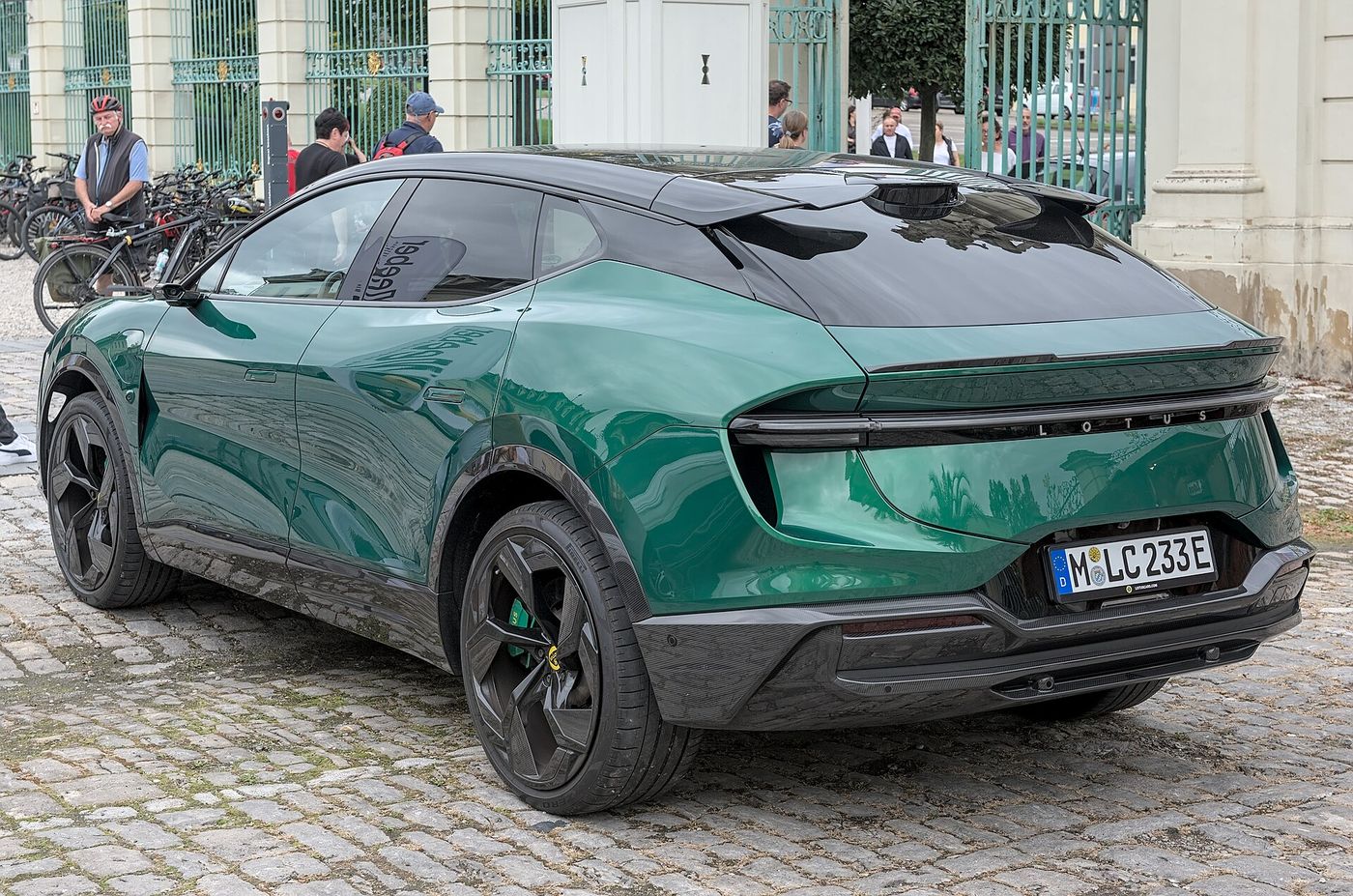
British sports-car legend revived by Geely. The Eletre hyper-SUV and Emeya GT mark the all-electric reinvention; the Evija remains its 2,000 hp halo.

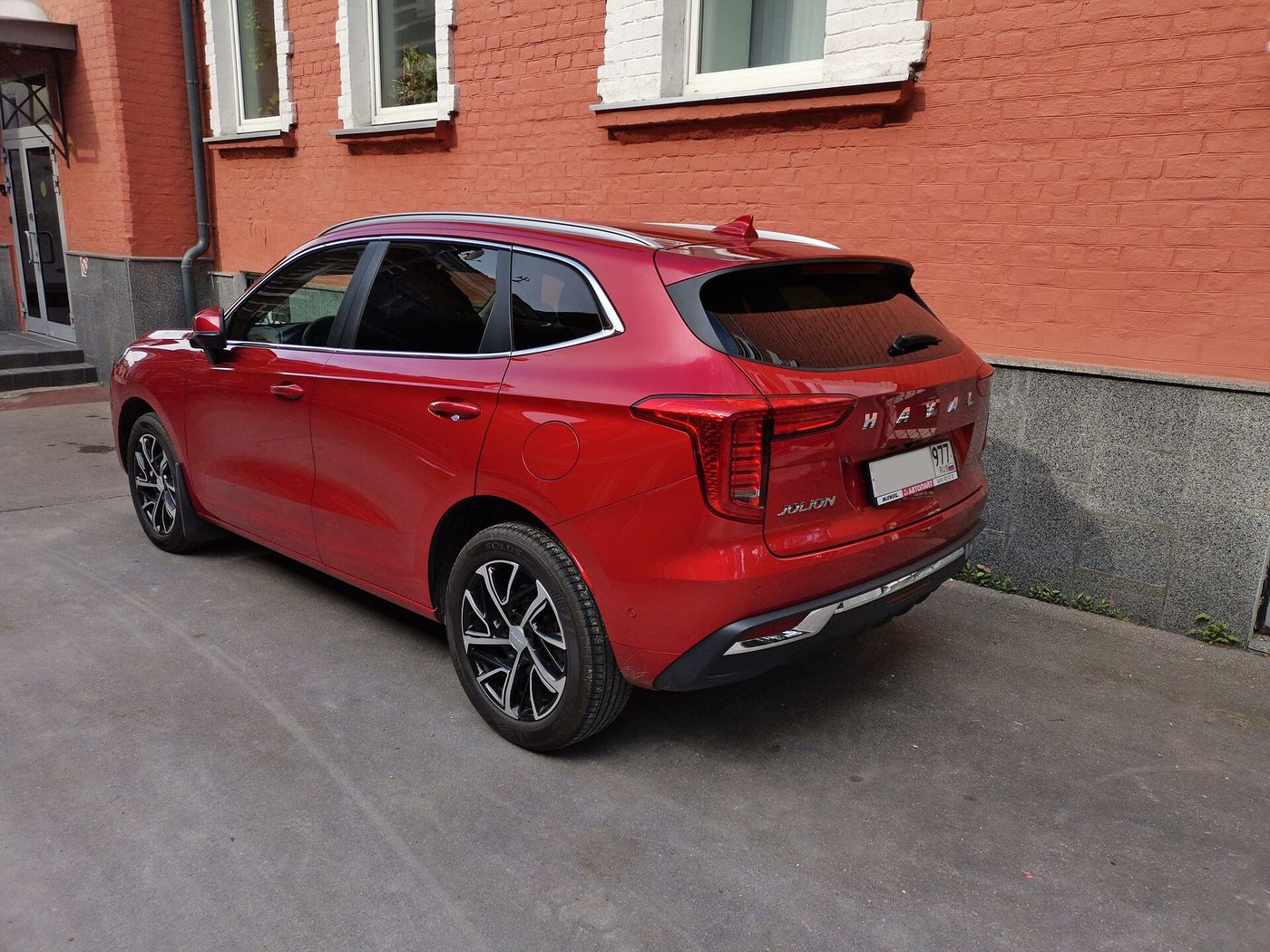
Great Wall's mainstream SUV brand. Best-selling Chinese SUV brand globally — H6 is a phenomenon in emerging markets.

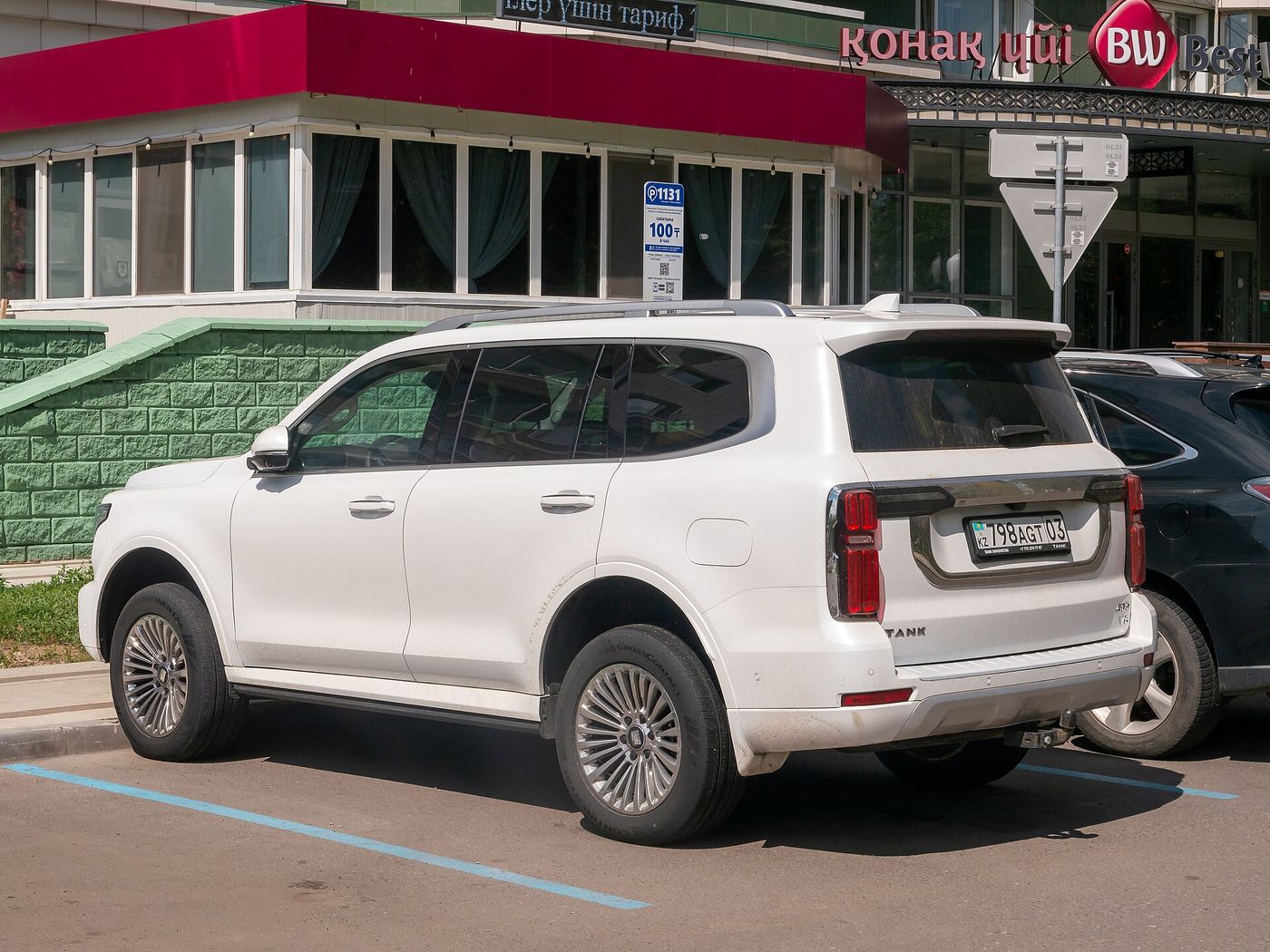
Great Wall's off-road sub-brand. The boxy Tank 300, 500 and 700 channel Defender and G-Wagon DNA — and dominate China's overlanding boom.

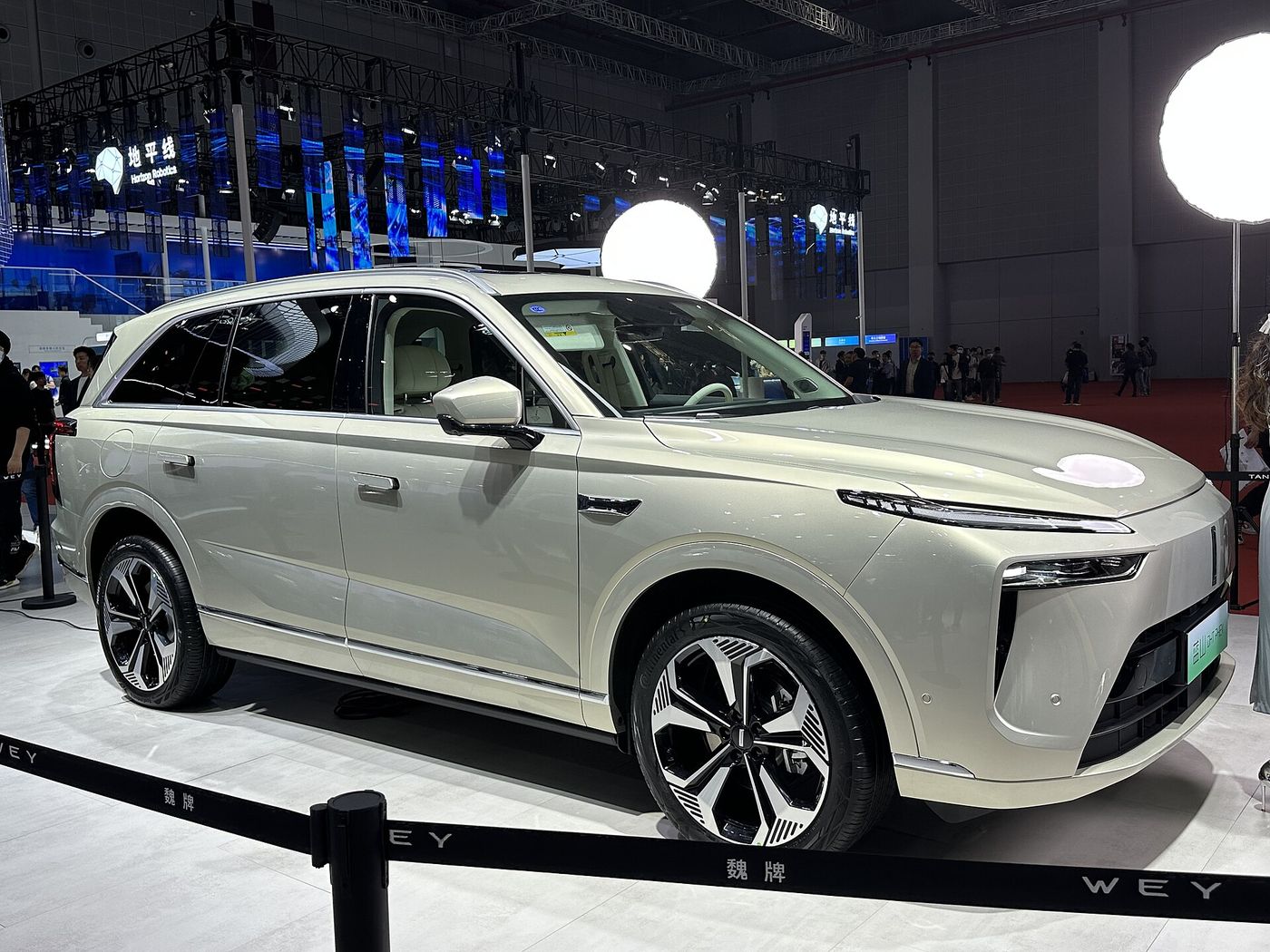
Great Wall's premium PHEV brand named after founder Wei Jianjun. The Blue Mountain (Lanshan) flagship targets Li Auto's family-SUV territory.

Retro-styled compact EV brand from Great Wall, positioned for younger and female drivers. The Good Cat became a viral success in Thailand and Australia.

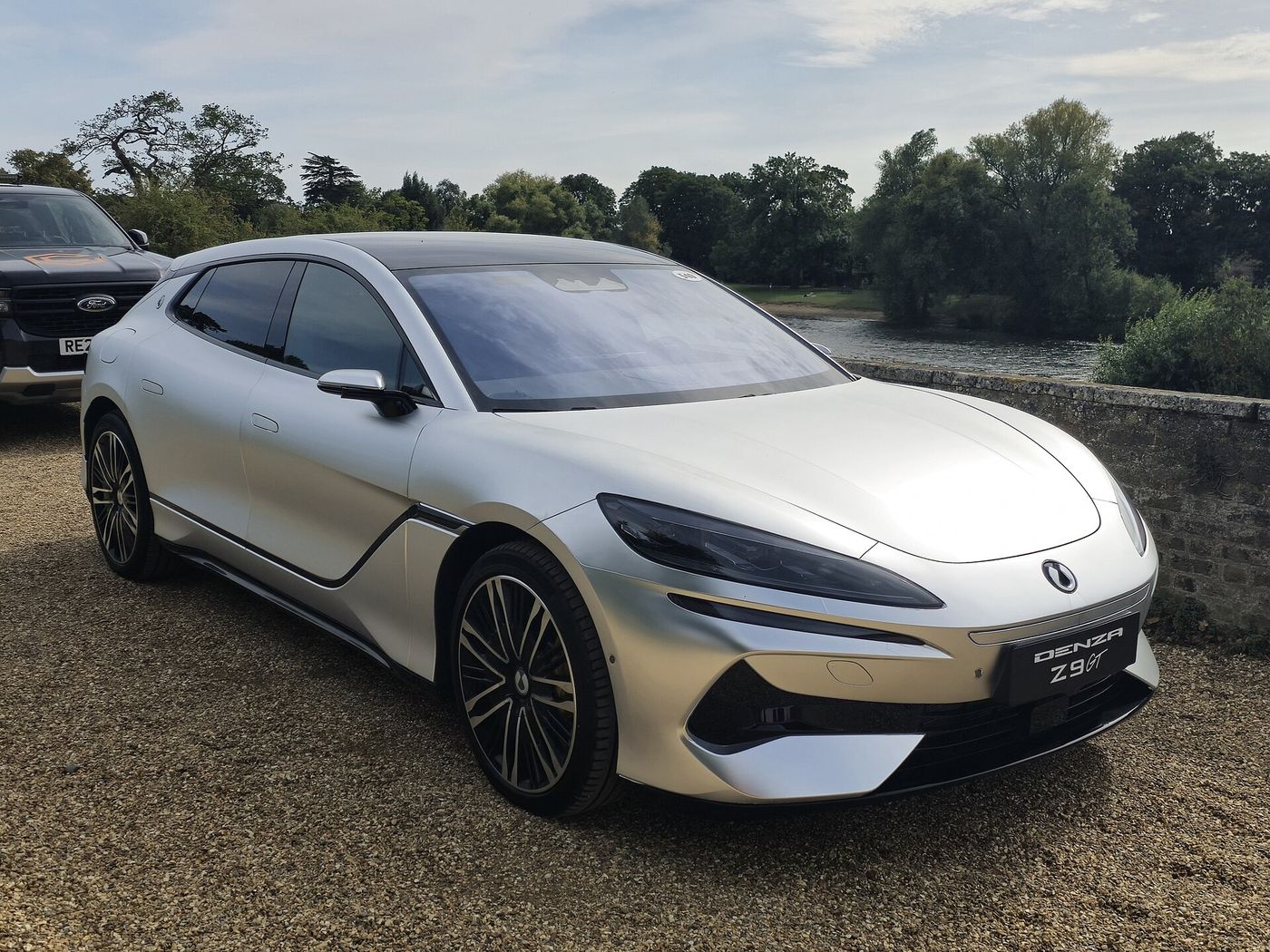
Originally a BYD–Mercedes joint venture, now fully under BYD. The N7 SUV, D9 luxury MPV and Z9GT shooting brake anchor the premium NEV push.

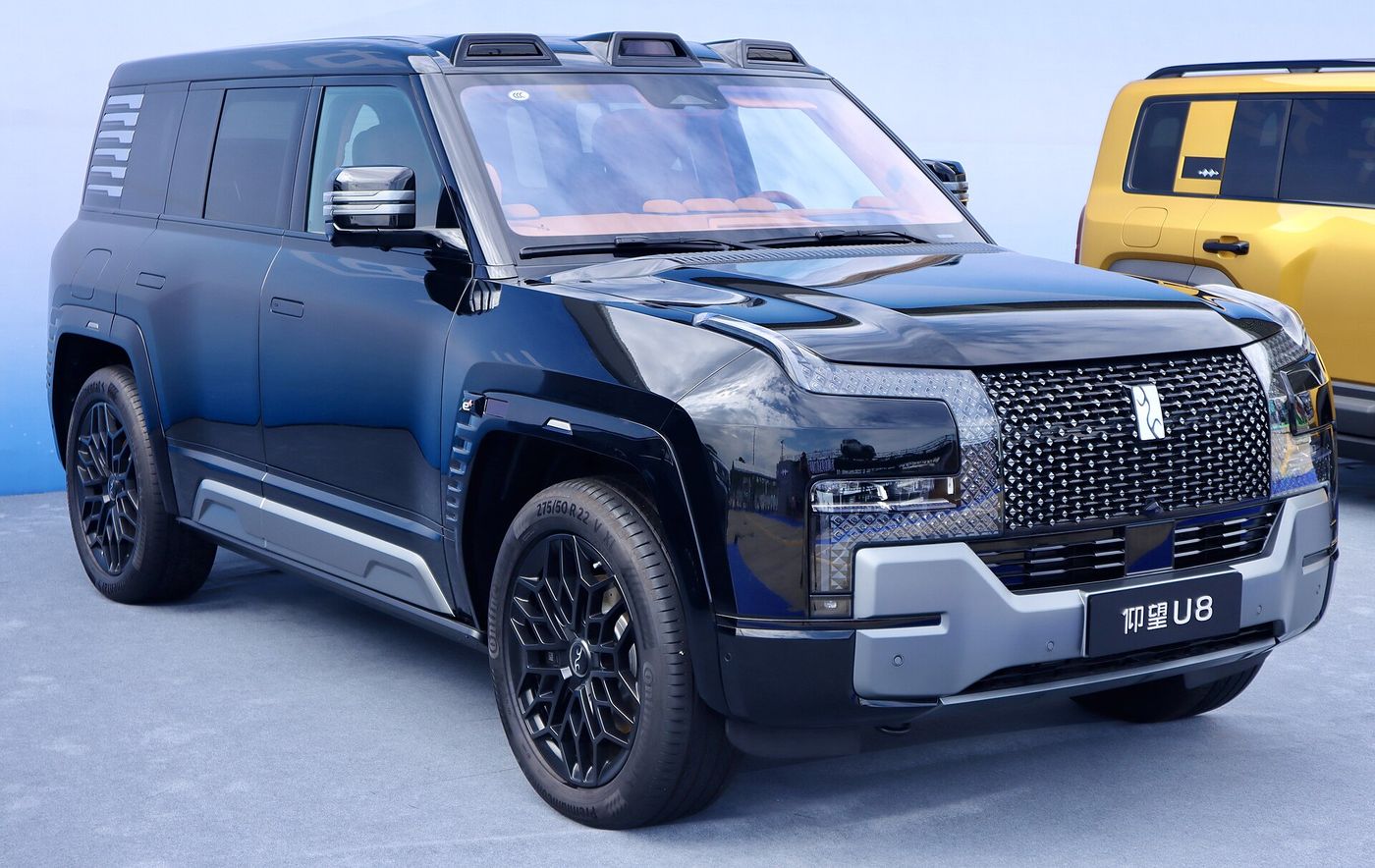
BYD's ultra-luxury halo brand. The U8 SUV can tank-turn and float on water; the U9 supercar hits 309 km/h. Quad-motor e4 platform showcases BYD's tech ceiling.

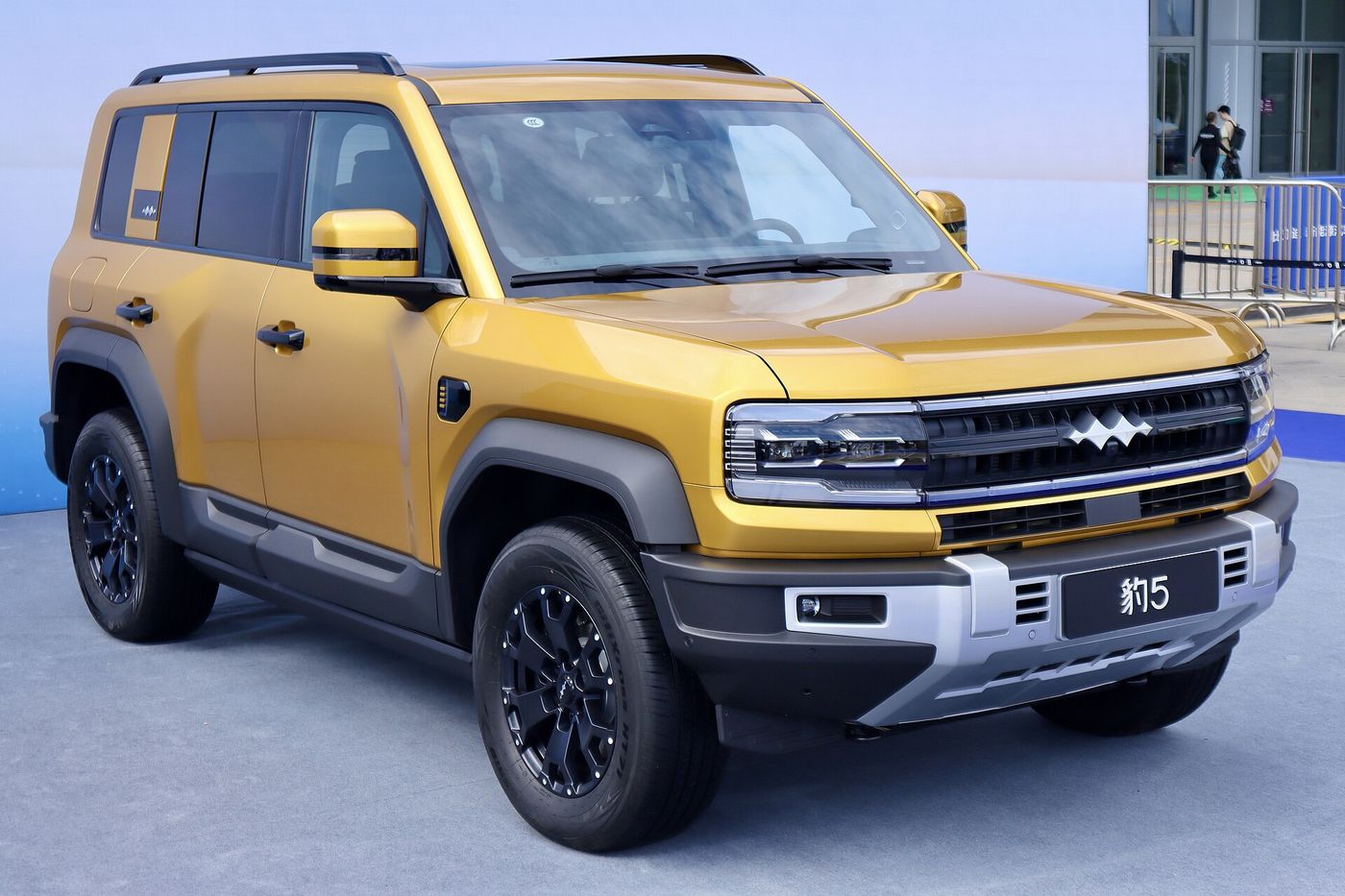
BYD's personality-driven adventure brand. The boxy Bao 5 and Bao 8 PHEVs sit between Tank and Yangwang — built on the DMO super-hybrid off-road platform.

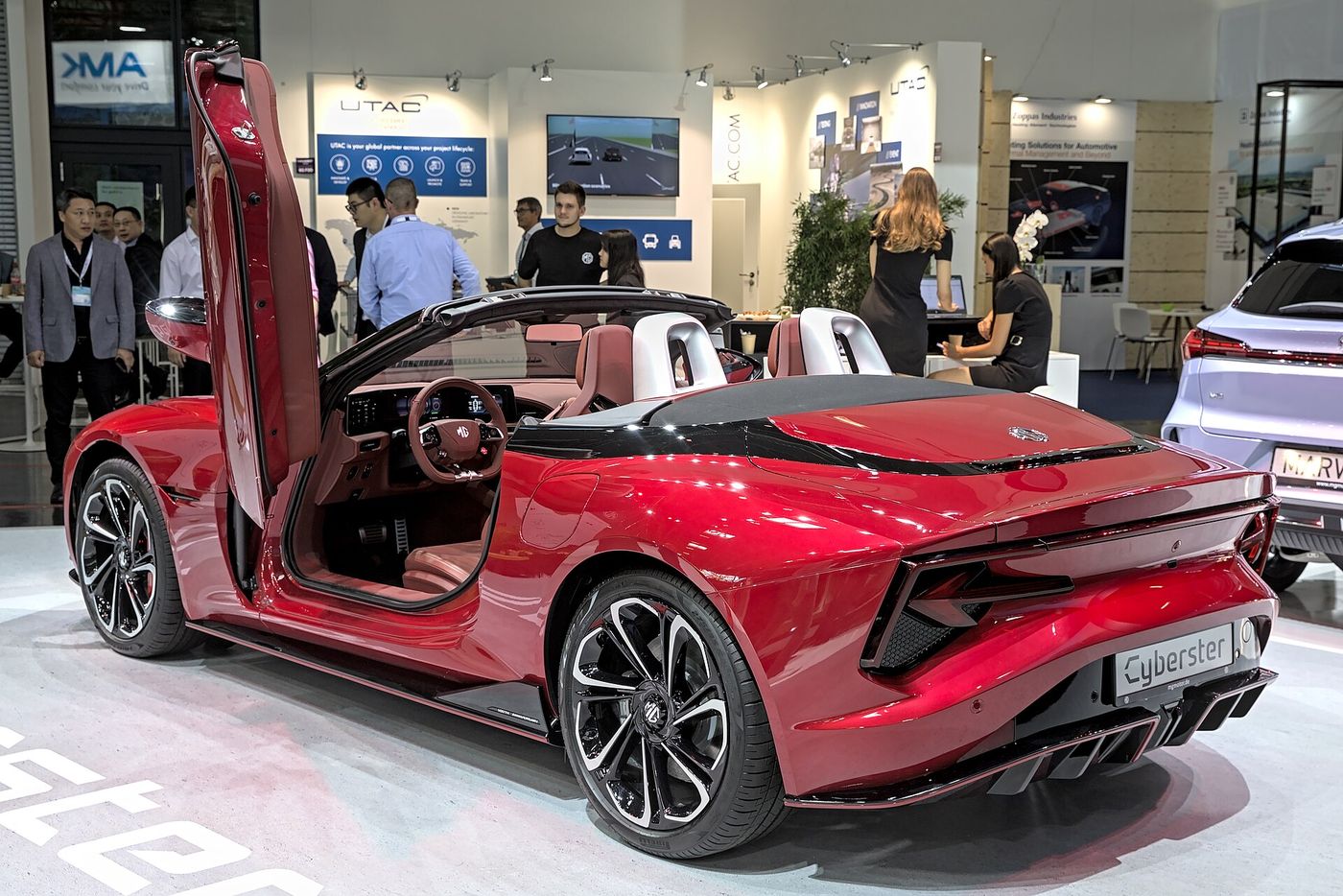
British sports-car heritage brand acquired by SAIC in 2007. Now China's most successful export brand in Europe — Cyberster revives the convertible roadster, electric.

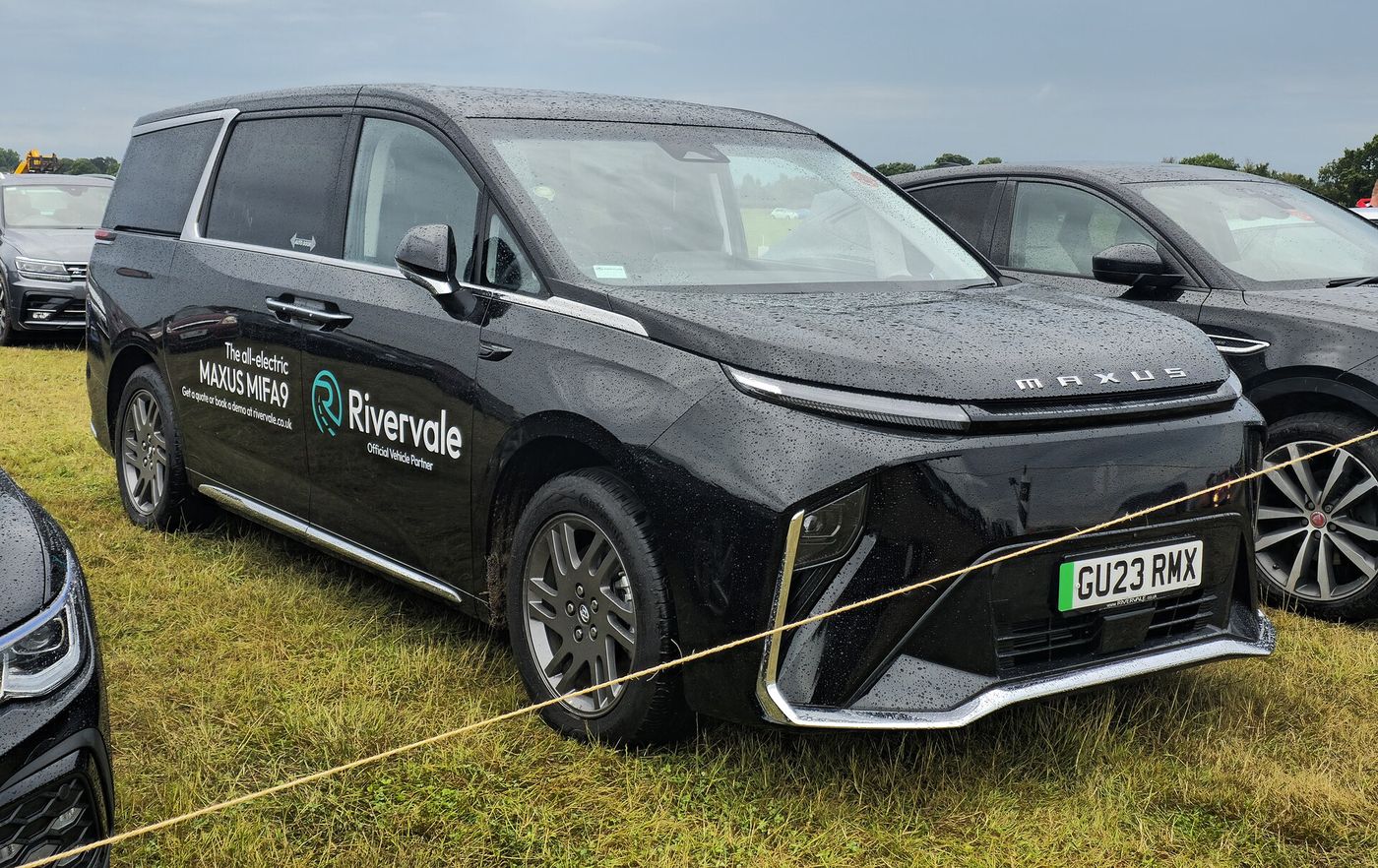
SAIC's commercial-vehicle and MPV arm. The Mifa 9 luxury electric people-mover and electric pickups have made it a major fleet export brand.

A SAIC + Alibaba + Zhangjiang joint venture targeting smart-luxury EVs. The LS6 SUV and L6 sedan with semi-solid-state batteries showcase next-gen tech.

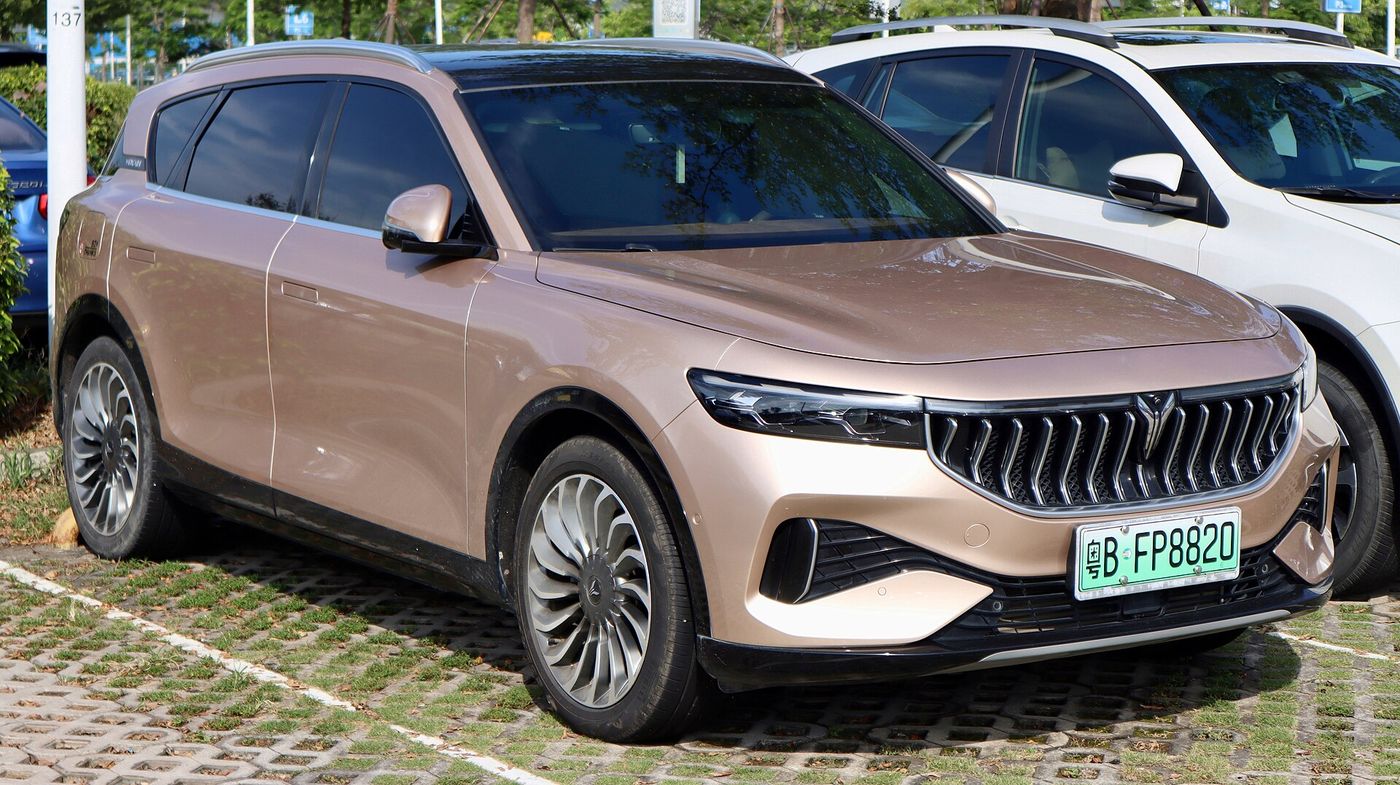
Dongfeng's premium new-energy brand. The Free SUV, Dreamer MPV and Zhuiguang sedan compete head-on with NIO and Li Auto in the 300-500k RMB segment.

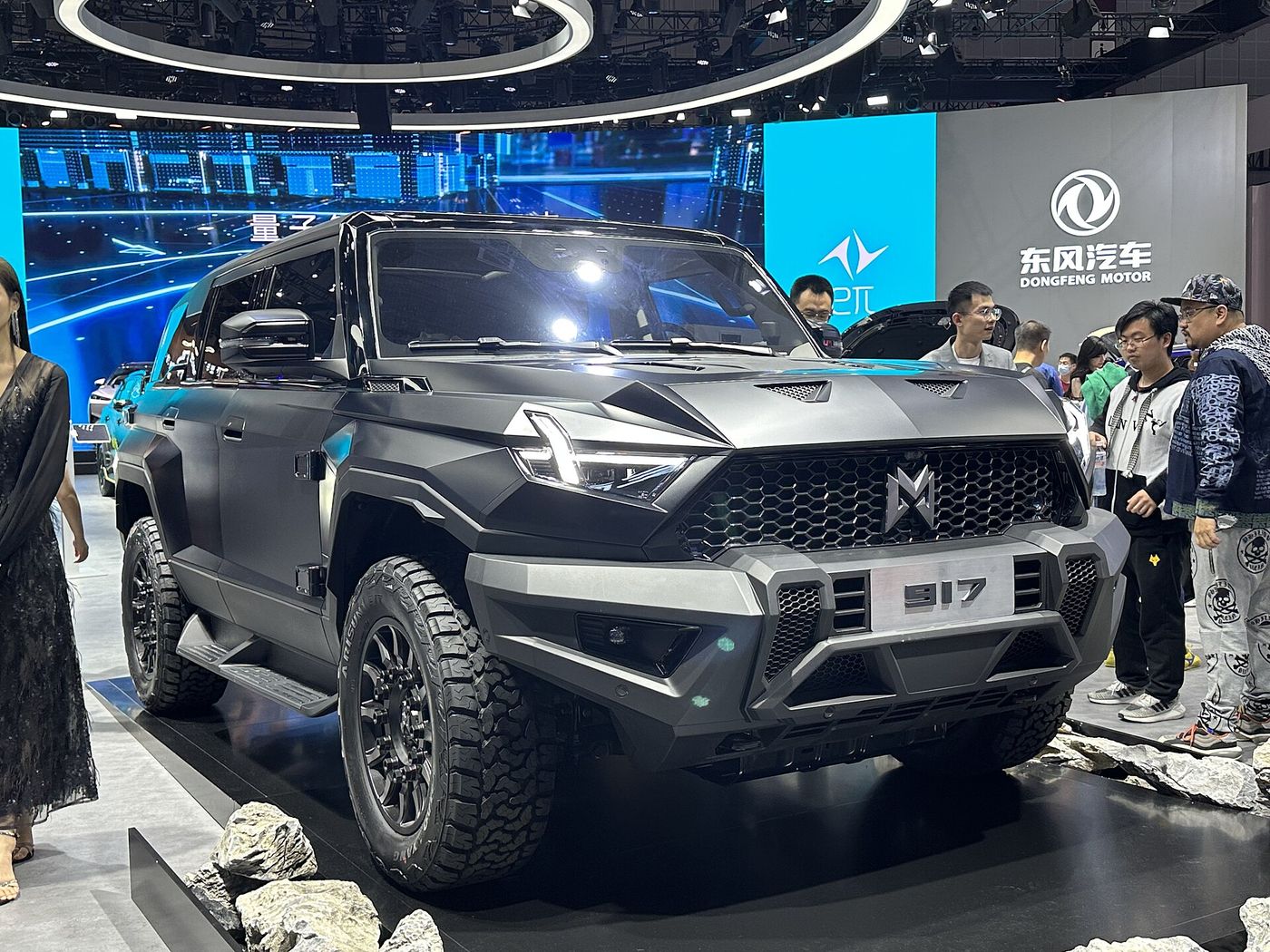
Dongfeng's ultra-luxury off-road brand rooted in military vehicle heritage. The M-Hero 917 is a 4-motor 1,088 hp electric Defender-fighter.

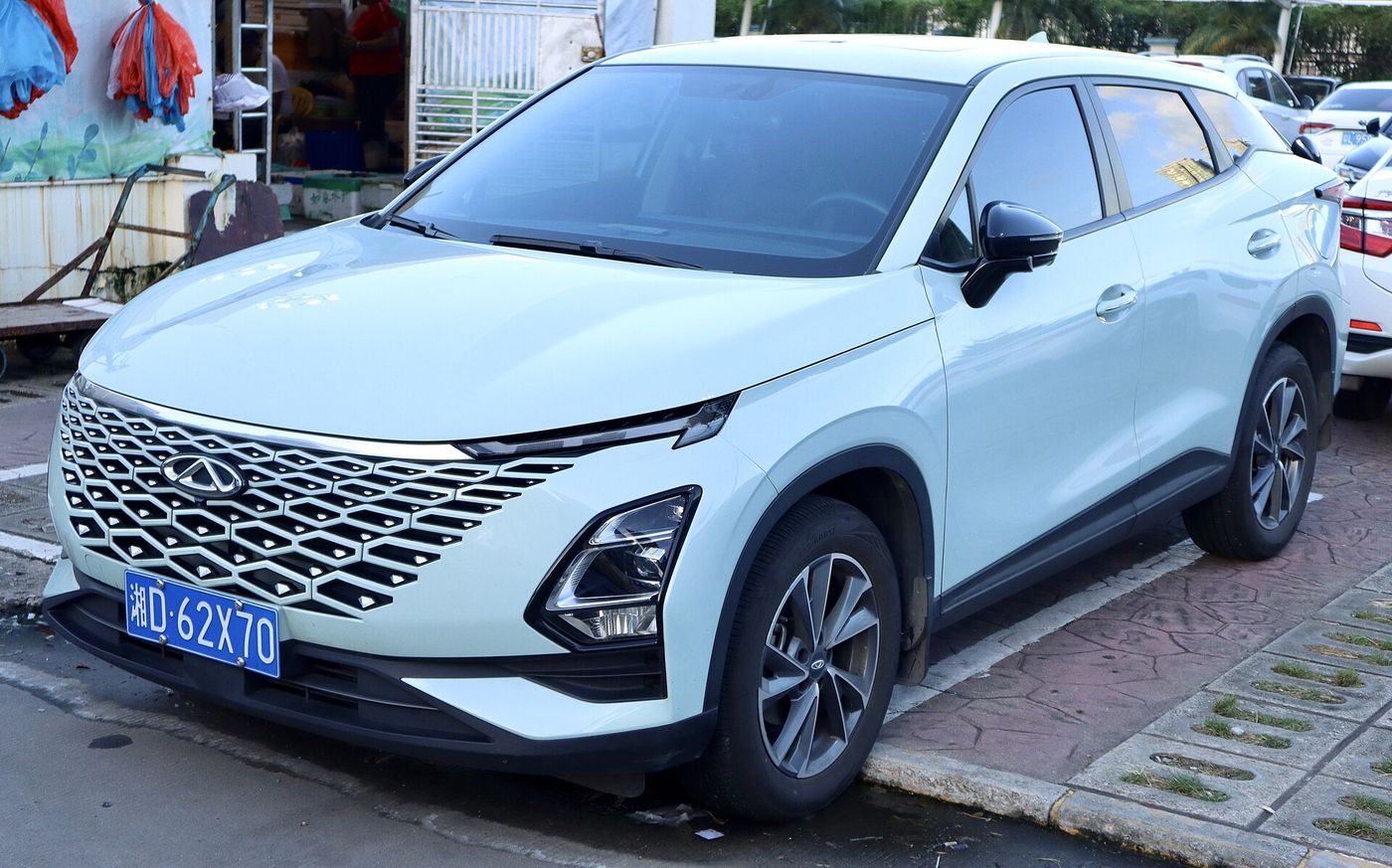
Chery's global-first crossover brand. The Omoda 5 and electric E5 spearhead expansion into the UK, Australia, Latin America and the Middle East.

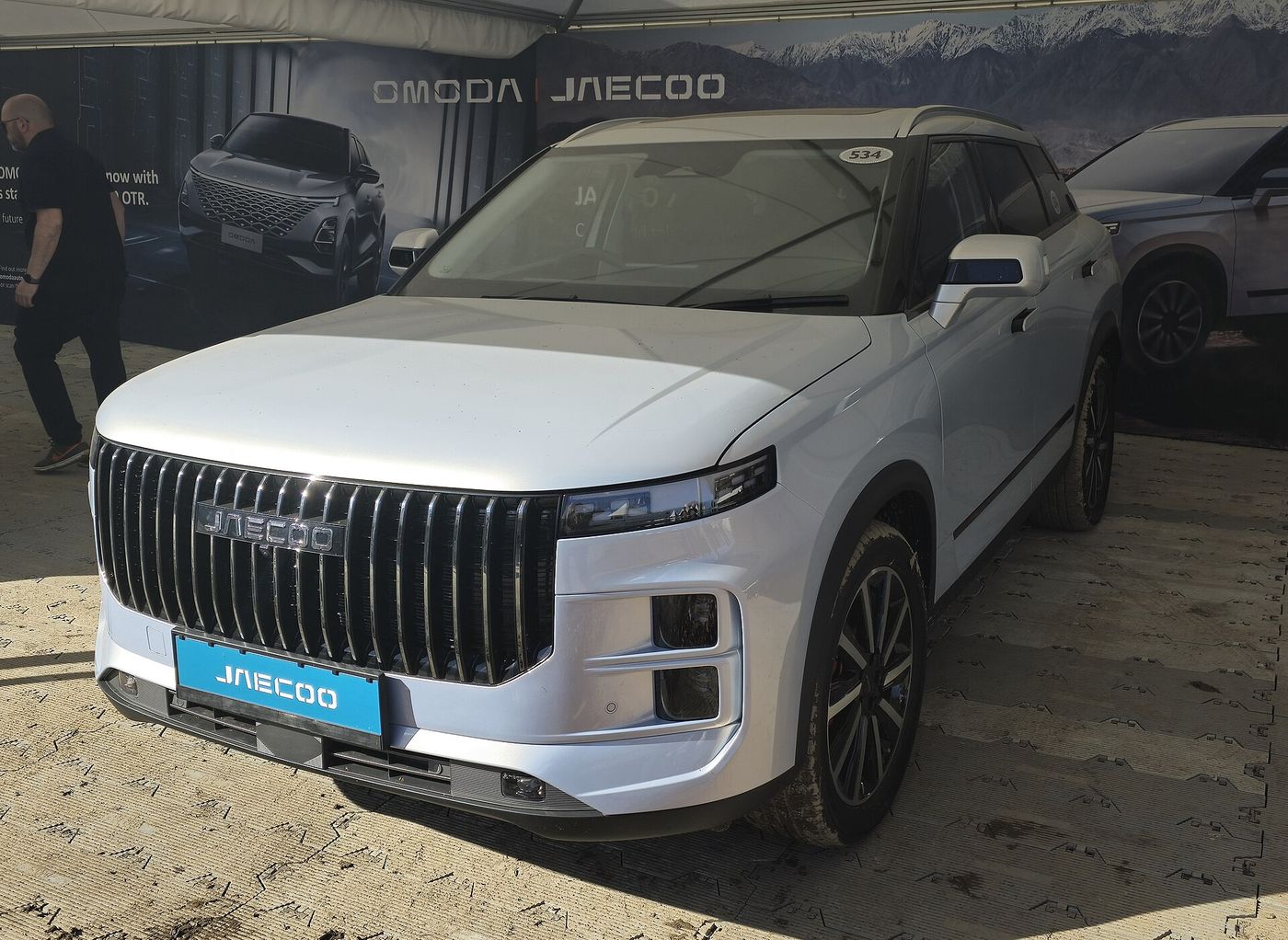
Chery's rugged-design SUV brand, a sister to Omoda. The Jaecoo 7 PHEV launched in the UK and Europe with 1,200 km combined range.

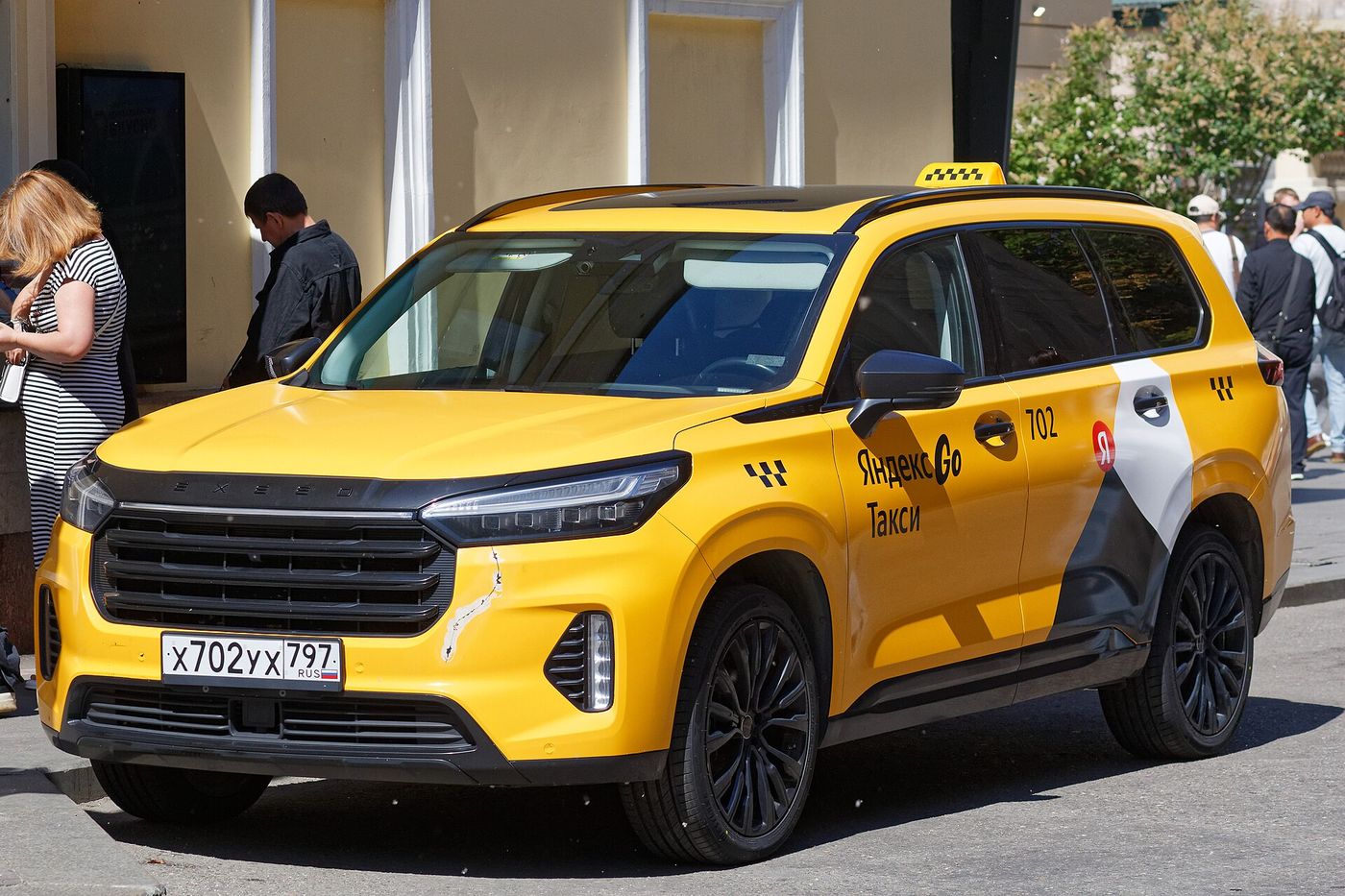
Chery's premium SUV brand. The Exeed VX flagship and Yaoguang/Lanyue line aim upmarket with E0X EV platform and Huawei smart-cabin integration.
BYD, Geely, Chery, Changan, SAIC/MG, FAW/Hongqi, Great Wall, GAC, Dongfeng, BAIC and newer EV brands such as NIO, Xpeng, Li Auto, Xiaomi and Leapmotor all sell or prepare vehicles outside China.
Legacy groups such as BYD, Geely, Chery, Changan, SAIC, FAW, Great Wall, GAC, Dongfeng and BAIC have complete manufacturing systems and export networks. EV startups usually focus on newer electric, extended-range and smart-car platforms with faster software cycles.
BYD, Chery, Geely, SAIC/MG and Great Wall currently have the broadest overseas footprints. Changan, GAC, Dongfeng, FAW and BAIC remain important state-group systems to track as the export mix shifts toward new energy vehicles.